

We may not be getting dumber

The problem may not be that screens have made us less intelligent, but that they have made reflection harder to find. Moving from a compulsive lift-scroll to grief, boredom, AI and the disappearing empty moment, this essay considers what happens when every pause is filled. It asks whether attention, solitude and the patience to sit with an unresolved question are becoming the rarest forms of human development.
Building Beyond Applause
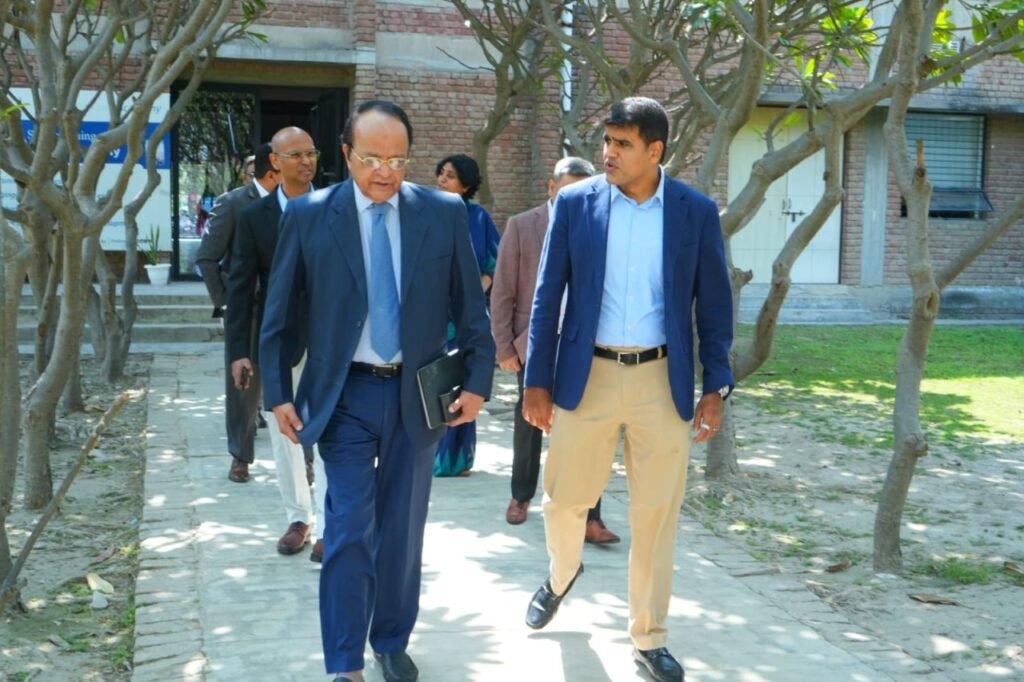
In an age that rewards visibility, Prof. V. N. Rajasekharan Pillai has spent five decades building what cannot be rushed: universities, research cultures and generations of learners. This conversation traces the scientist and education leader’s belief that institutions are not degree factories, but places where knowledge, character and social mobility are formed. It is a focus on patient leadership, academic freedom and the work that outlives personal acclaim.
The Most Important Technology of the Next 50 Years May Not Be AI
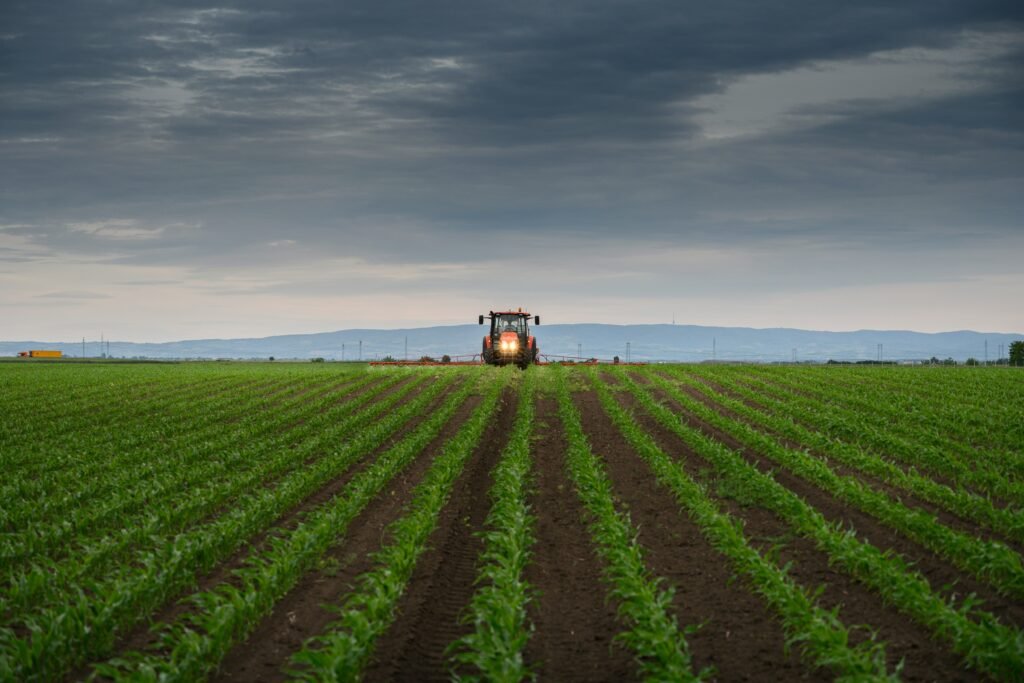
The future of civilisation may depend less on what AI does in offices than on what intelligence can do in a field before a crop visibly fails. This field note follows the changing realities of farming, where heat, water stress and pests demand earlier, sharper decisions. It explores how crop intelligence, soil knowledge and farmer wisdom can work together to protect food, livelihoods and the fragile systems built around them.
The Human Connection
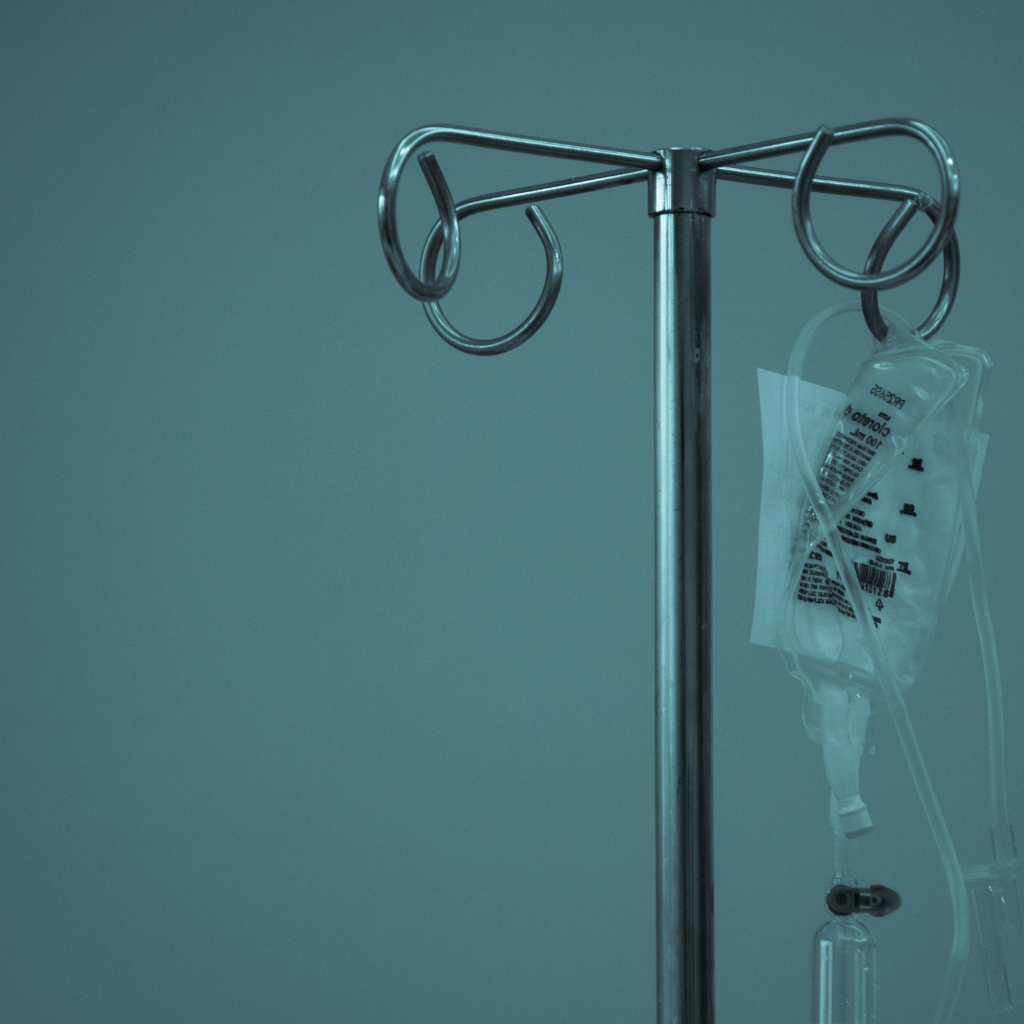
Modern oncology can see more, operate with greater precision and personalise treatment in ways that once seemed impossible. Yet cancer is never experienced as a scan or a report; it is lived as fear, uncertainty and disruption. Writing from the consulting room, Dr Sanket Mehta reflects on why innovation matters most when it protects dignity, trust and the space for patients to feel seen through an overwhelming journey.
What Happens When AI Takes Away the First Rung of the Ladder?

AI can draft, code, analyse and summarise in seconds. But those are also the tasks through which beginners once learned to notice errors, test assumptions and develop professional judgment. This essay asks what happens when the first rung of the career ladder disappears, and why the future challenge may be less about job loss than experience. Can education and workplaces build a new apprenticeship for an age of machine fluency?
The 7-1 Lesson – Why Mental Strength Matters in Sport

From Brazil’s collapse against Germany in 2014 to the travel barriers shadowing the 2026 World Cup, this two-part sports reflection looks beyond talent and trophies. It considers how pressure can overwhelm even elite athletes, and how politics can keep players and fans from the game’s grandest stage. Together, the essays ask what sport is worth when mental resilience, dignity and genuine global participation are left behind.
Can Compassion Become Infrastructure?

What does it take to turn an ethic of service into a system that can endure? This feature examines the One World One Family movement through its work in school nutrition, free cardiac care, medical education and livelihoods, asking whether compassion can be organised without losing dignity. It is a story of spiritual conviction meeting public infrastructure, and of what becomes possible when no child, patient or community is treated as expendable.