
In an urban society, the concept of middle school is second nature. We don’t think twice about it; the transition is as seamless as applying butter to hot toast. However, when you widen the scope and look at it from the lens of a rural setup, the picture is very different. Socioeconomic differences, societal influences, and lack of awareness are some of the reasons that contribute to children dropping out of school in their formative years.
While these are very relevant and attention-worthy problems to solve, they tend to overshadow those aspects which may seem so basic that we tend to take for granted. However, when you peel the layers and look deeper, they are actually core to the decision-making process that a rural family goes through. When addressed earlier on, we ensure our children transform into well moulded resilient vessels. Left un attended, these become silent barriers that limit their potential.
School commute is one such aspect. “Can my child safely traverse the distance from home to school”? is a question that every parent asks. While primary schools are plenty and within close proximity to most village homes, Middle Schools are few and far between. Not only do distances increase, they become even more unsafe and difficult to cover, due to the rugged terrain in most Indian villages.
Raigad district of Maharashtra, which encompasses over 200 villages, is one such example where children on a daily basis need to overcome difficult and harsh terrains just to reach school. As distances increase, so do the struggles, eventually leading to children, especially girls, dropping out of school. The road which was essentially to be their pathway to a brighter future becomes the cause of their journey’s end.
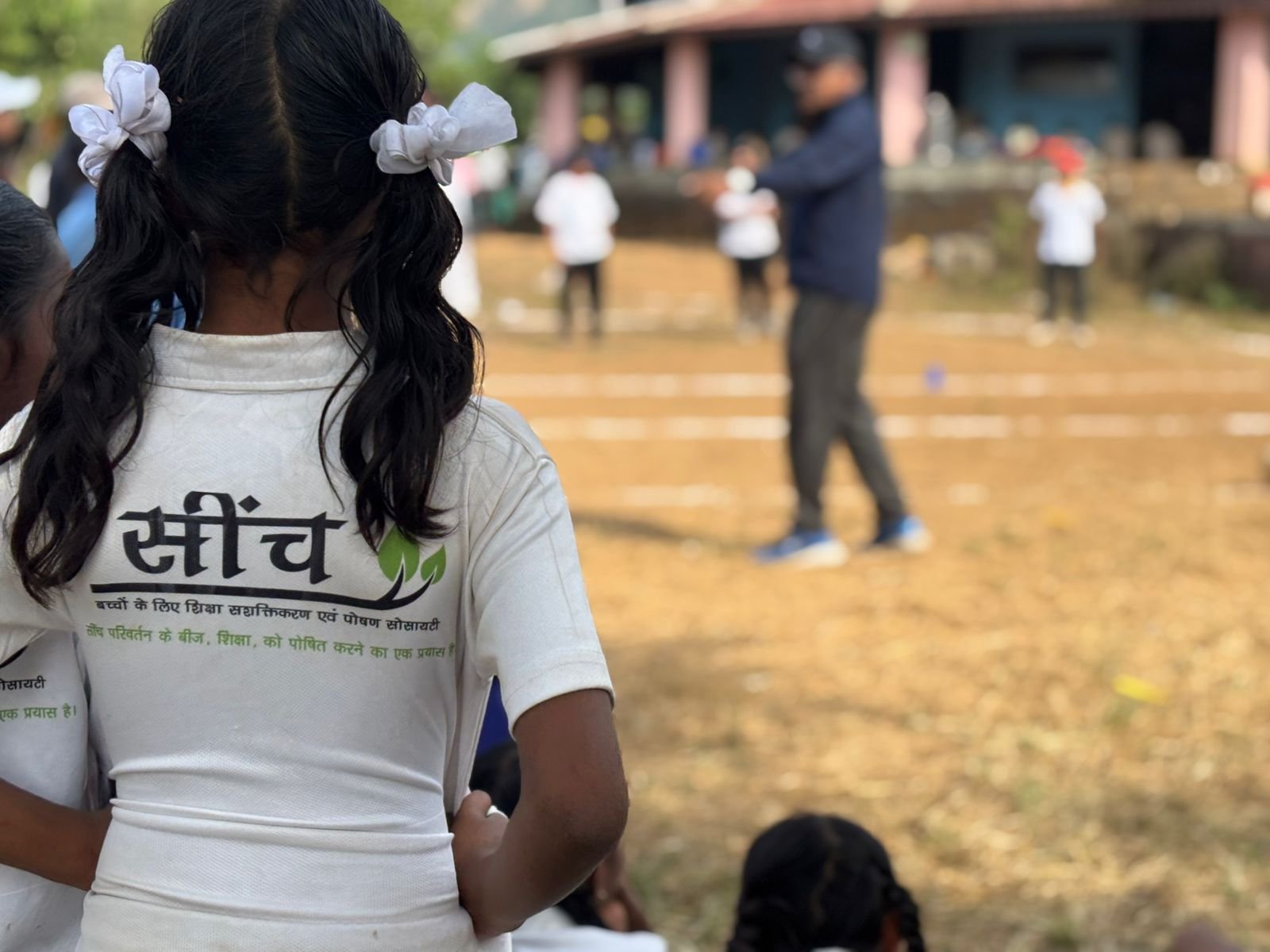
However, due to organisations who have chosen to look deeper, all is not lost. SEENCH India Foundation is one such non-profit, which works with tribal communities in Raigad. They identified and stepped in to address the problem of accessibility. By providing buses and vans which now ferry hundreds of children, across 45+ villages from home to school and back, they have not just solved the problem of accessibility, but also created a social infrastructure. A good intervention does not always look dramatic. Sometimes it looks like a van arriving on time and that’s exactly what the foundation did.
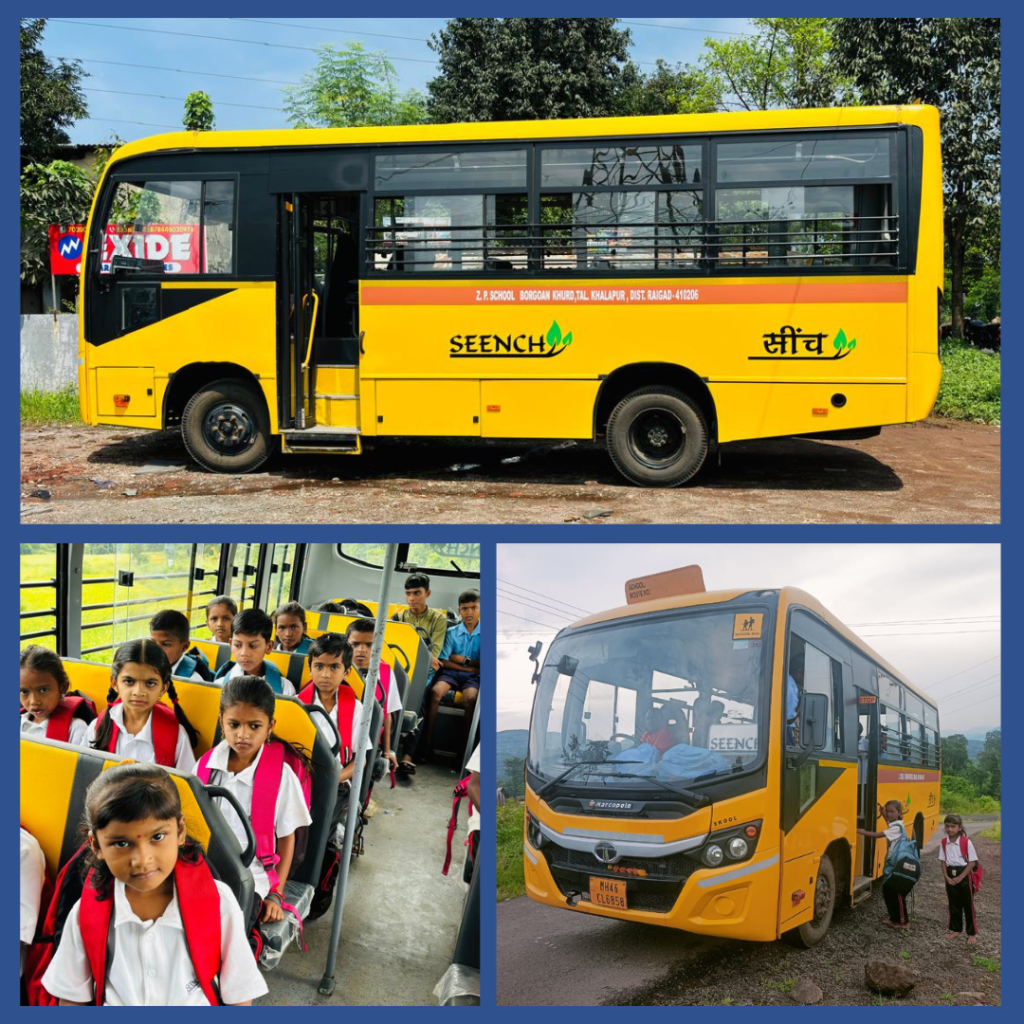
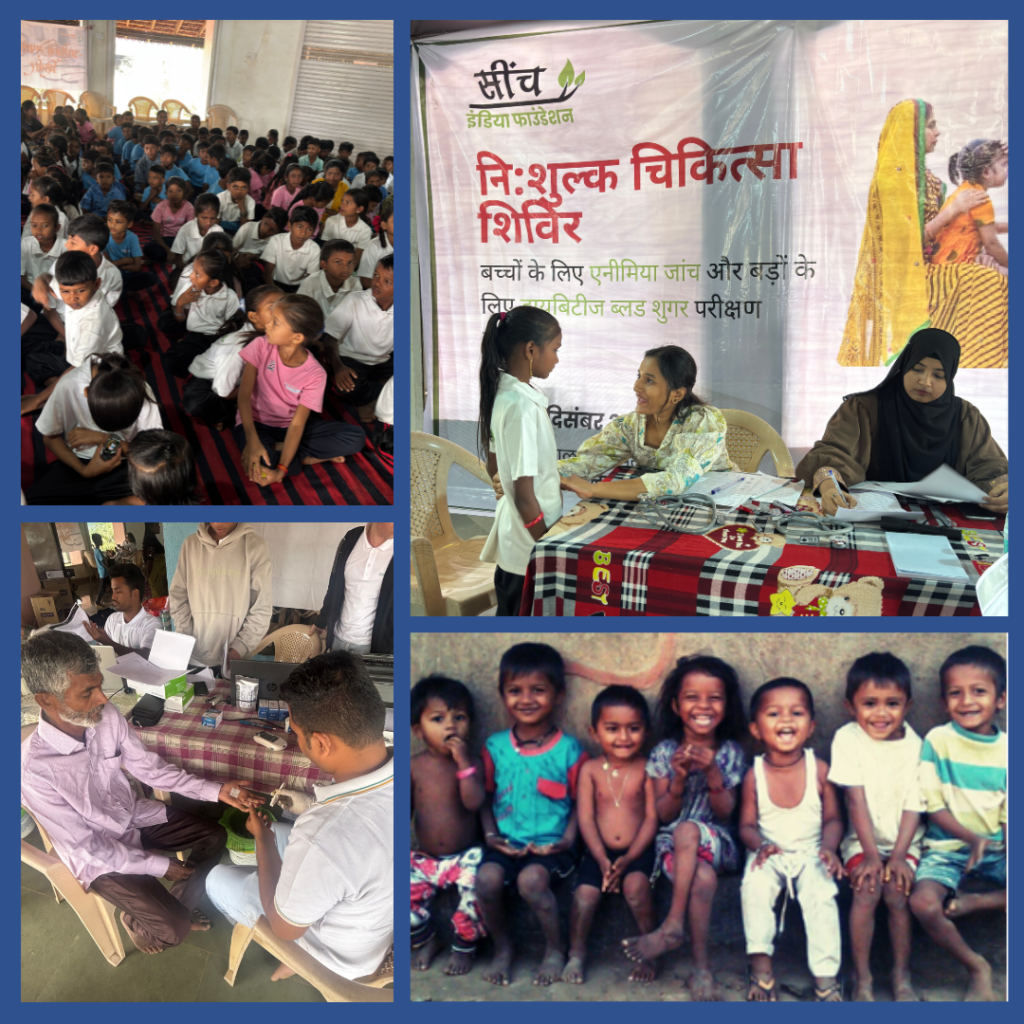
This initiative was amongst the many building blocks that the foundation placed over the years. A simple observation of children walking long distances to school pivoted into a long-term effort to remove the practical barriers that prevent children and young people from continuing education and building opportunity. Over the years, the team at Seench has observed many such patterns and today their initiatives have expanded across learning support, transport, school infrastructure, health awareness, digital exposure and youth development.
My first interaction with the foundation came in 2022, when Ashima, the Co-founder and trustee, invited me to join her on one of the visits to the villages. The agenda that day was to reconnect with all the village heads and get all the initiatives sidelined due to the pandemic back on track. We also used that opportunity to engage with the children and handed out study kits. The warmth and enthusiasm with which the whole community welcomed us, cemented the conviction that the foundation is on the right track.
I had earlier emphasised upon how any real impact can only come by if we peel the layers and look deeper. The following two initiatives that the Seench India Foundation has picked up as part of their 2026 goal plan are a result of that same thinking. Let us understand how:
The Menstrual Cup Campaign
Most menstrual health campaigns are associated with creating awareness about the subject. However, while conversations around menstrual hygiene and best practices have significantly increased, discussions around sustainable menstrual practices are fairly limited.
We have taught communities the science behind menstruation and the hygiene that one ensures by using a sanitary napkin. But have we done enough to make them aware how these sanitary napkins are impacting the environment? Have we done enough to make communities aware about alternate and more sustainable methods of menstrual hygiene? The answer would be no.
The UNEP Life Cycle Initiative did a meta-study on single-use vs reusable menstrual products.The study highlighted that single-use menstrual products such as tampons and pads are a significant contributor globally to single-use plastic waste. They can contain up to 90% plastic, making it expensive to recycle and hence the vast majority are either incinerated or then they land up in landfills making them extremely toxic to the environment. Hence, the urgent need to adopt reusable products such as the menstrual cups.
The Seench India Foundation has understood the gravity of the subject and recently organised a special awareness camp for women from 25 villages in Karjat to promote safe, healthy and sustainable hygiene practices. Through the Global Menstrual Hygiene Day initiative, 100 free menstrual cups were distributed to the women, along with training, follow-ups to the training, and gifts to keep them dear and associated. The foundation not only aims to give women the freedom to make healthier choices, but is also enabling them to contribute towards a more sustainable environment.
The Computer Education, Digital Skills and Library Centre
It takes a lot of courage to leave the quiet familiarity of the village, one’s home and move to the unpredictable and chaotic world of a metropolitan. And usually it’s not because the youth of the village have found steady income jobs. They normally take up low income and hard labour jobs like that of a driver/helper/construction worker. While no job is menial, the lack of local opportunities and practical skills, leaves them with either limited or no choice at all resulting in this migration. Building digital literacy and practical skills will be instrumental in reducing the need for migration.
Thanks to affordable 4G data and government initiatives, digital penetration in rural India is on the rise. However, owning a smartphone does not guarantee that an individual can use e-services, it does not guarantee computer literacy. Essentially, just having the right hardware does not guarantee the apt usage of the software.
Having identified this gap, Seench India Foundation as part of its 2026-27 goal plan, is setting up a Computer Education, Digital Skills and Communication Library Centre for tribal students and young adults in the Raigad district. In a recent conversation with Ashima, I asked her to articulate the outcome the foundation was expecting to achieve through this Centre. Here’s what she had to say, “The centre will help high school students build basic IT literacy and support young adults with employability focused skills such as Tally, Zoho, Excel, data entry, digital billing and office administration. This initiative will create a long term learning space that directly supports education, digital inclusion and livelihood readiness for the community”
It is yet to be seen what the scale of impact these above initiatives will create. However, like the author Robert Collier once said ‘Success is the sum of small efforts, repeated day in and day out’, and that’s exactly what is required if we are to see impact at the grassroot levels. Meaningful change takes time and hence it is the need of the hour to collectively work towards the growth of our rural communities, so that they can achieve sustainable economic independence, further reducing the urban-rural divide.