
For a period, public anger shifted from physical gatherings to private and digital spaces.
Complaints were voiced through online posts; movements became hashtags; and dissent appeared in comment threads, viral videos, digital petitions, and contentious online debates. Although the public square remained, digital platforms often replaced its central role. In the past year, public demonstrations reemerged in physical spaces.
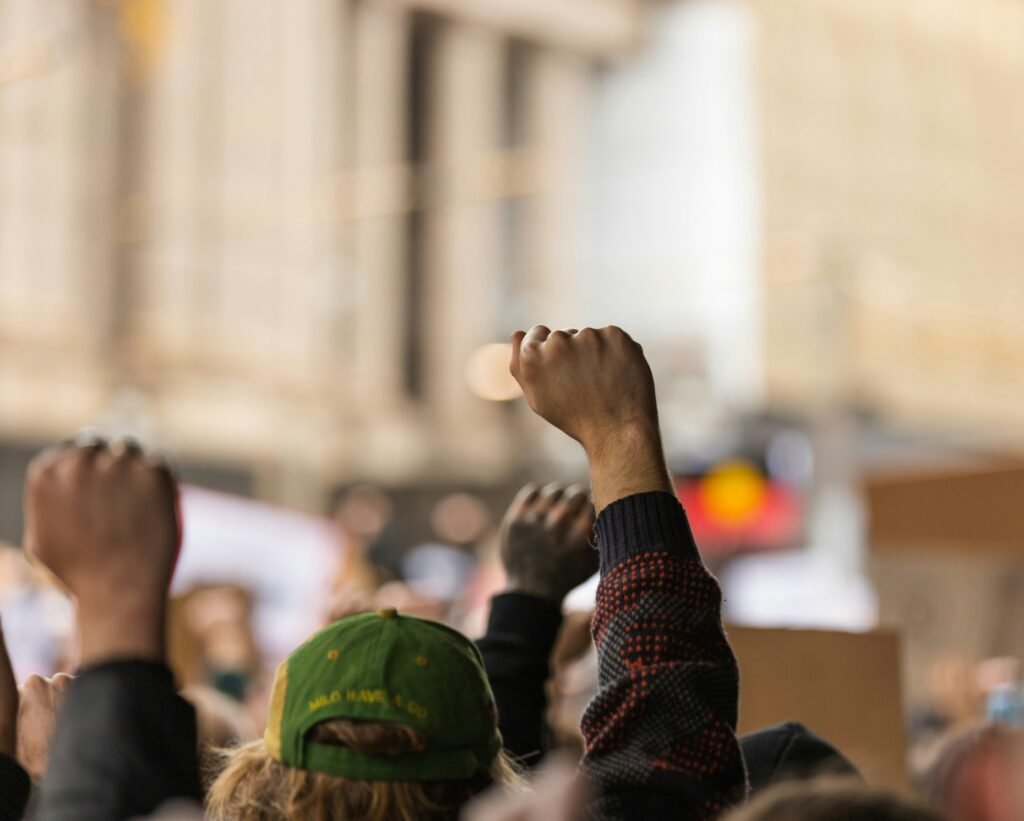
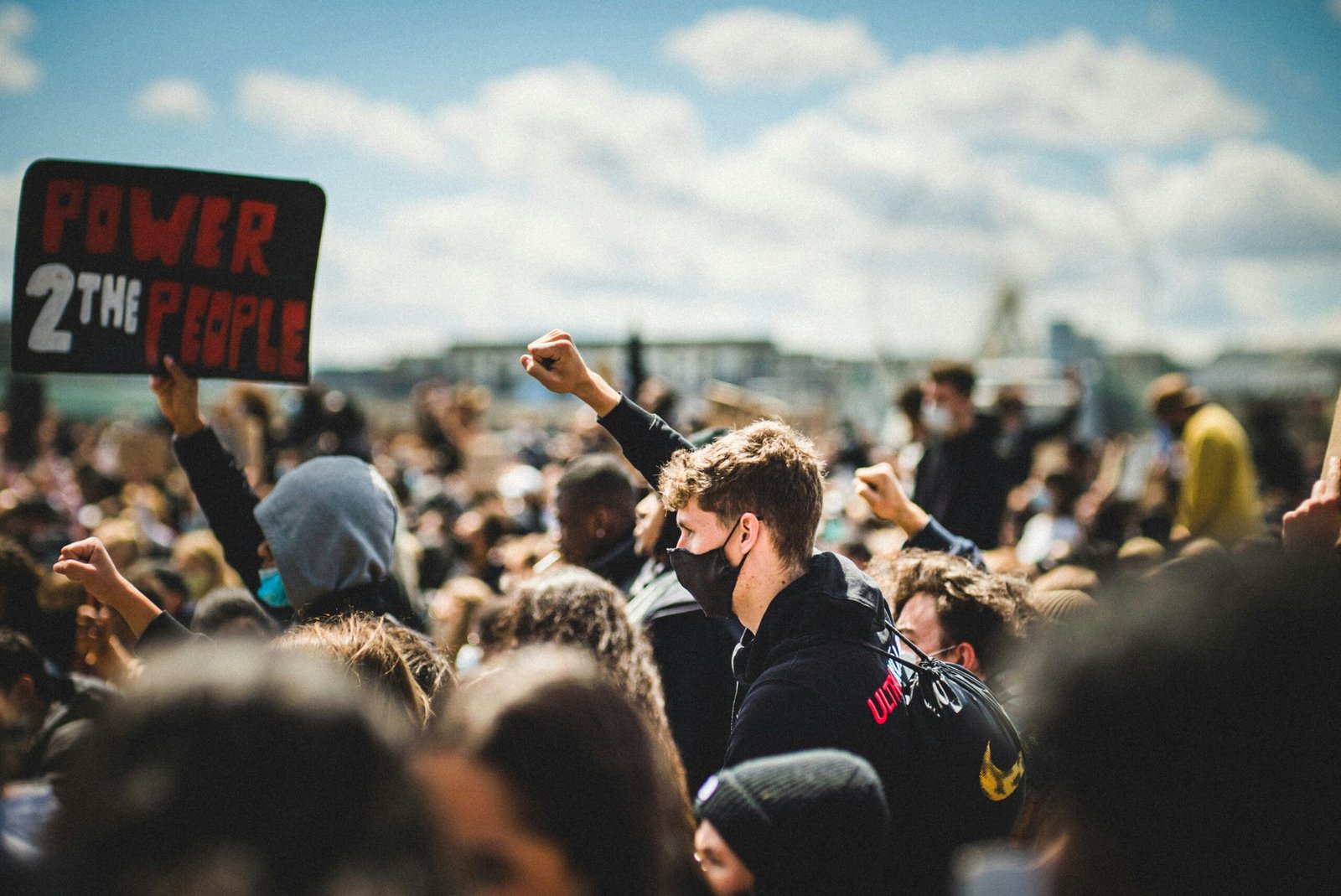
Across continents, diverse groups, including students, workers, parents, migrants, opposition supporters, neighbourhood organisations, young people, older citizens, families, and communities, returned to public spaces to express grievances against institutions regarded as unresponsive.
Protests serve varied purposes: some defend rights, others demand basic services or challenge corruption. Additional demonstrations respond to war, inequality, climate change, or economic hardship. In certain instances, fear targets vulnerable populations. Public demonstrations can simultaneously represent democracy and despair, courage and anger, solidarity and intimidation.
This visual essay does not celebrate protest; rather, it aims to analyse and interpret its significance.
Protests rarely consist solely of slogans on placards; they reflect underlying promises such as fair elections, transparent governance, reliable infrastructure, effective healthcare, academic integrity, dignity, security, essential services, and future prospects. When these promises are perceived as broken, public discourse often escalates into confrontation.
The protests of the past year were not random disturbances; they served as signals. From Nepal to Serbia, Morocco to the United States, Madagascar to Georgia, these movements demonstrated that societies had reached a threshold at which private frustration could no longer go unexpressed.
The street became the place where broken promises became visible.
1. Kathmandu, Nepal
Gen Z protests over social media, corruption and joblessness
In Kathmandu, the trigger was a social media ban. The cause was larger: a generation that felt corruption, joblessness and elite privilege had made its future smaller. What began as a digital-rights protest widened into deadly unrest, forcing the government to lift the ban and leading to Prime Minister K.P. Sharma Oli’s resignation. The images from Kathmandu carry both energy and unease: young people reclaiming the street, but also a country marked by violence, fire and loss. The question is difficult: when institutions stop listening to the young, how long before the young stop asking politely?
2. Antananarivo, Madagascar
Water, power and the politics of basic services
In Antananarivo, the protest was about something very simple: water and electricity. Young demonstrators took to the streets after months of frequent outages and shortages, turning daily inconvenience into a larger indictment of governance. The protests were met with tear gas and violence, and President Andry Rajoelina dissolved the government as the crisis widened. Madagascar showed how basic utilities can become a democratic question. When a state cannot keep the lights on or the taps running, citizens are not only asking for services; they are asking whether the system still works for them at all.
Protests rarely consist solely of slogans on placards; they reflect underlying promises such as fair elections, transparent governance, reliable infrastructure, effective healthcare, academic integrity, dignity, security, essential services, and future prospects. When these promises are perceived as broken, public discourse often escalates into confrontation.
3. Rabat / Casablanca / Agadir, Morocco
Hospitals, schools and the anger of GenZ 212
In Morocco, young protesters under the banner GenZ 212 demanded better public healthcare and education. The anger sharpened around a simple contrast: hospitals and schools on one side, stadiums and prestige projects on the other. Protests spread across cities; some turned violent. Arrests followed, and the government spoke of dialogue and reform. The image to look for is not only one of confrontation, but of youth holding signs about hospitals, dignity and public priorities. Morocco’s protest revealed a generational impatience with national progress that looks impressive from afar but feels hollow in everyday life.
4. Jakarta, Indonesia
Lawmakers’ perks and the politics of unfairness
In Jakarta, students protested lawmakers’ housing allowances, fuel costs, government spending priorities and fears of democratic backsliding. The anger was not only about one benefit; it was about distance. For young people facing rising costs and uncertain work, political privilege appeared insulated from the ordinary hardships they faced. The 2025 protests turned deadly and forced a rethink on lawmakers’ benefits, while student protests returned in June 2026 over fiscal choices and the expanding role of the military. Indonesia’s images show the familiar geometry of youth unrest: university jackets, police lines, water cannons and the feeling that the future is being budgeted without them.
5. New Delhi / Lucknow / Pune, India
Cockroach Janta Party and satire as protest language
In India, the Cockroach Janta Party turned insult into symbol. What began as a viral, satirical youth movement grew into protests over failures in the education system, examination irregularities, paper leaks, unemployment, and a lack of accountability. Protesters used humour, cockroach masks, books, flowers and constitutional imagery to carry serious anger without adopting the usual visual grammar of party politics. The movement’s strength lies in its strange mix of absurdity and discipline: young people turning mockery into organisation. This protest asks a modern question: when traditional political language feels exhausted, can satire serve as a gateway back to civic seriousness?
6. Manila, Philippines
Flood-control corruption and the politics of failed protection
In Manila, the protests were about corruption in flood-control infrastructure. After typhoon-season failures and allegations of corruption in public works, thousands demanded accountability. The grievance was not abstract: when flood systems fail, people lose homes, safety, time, income and trust. Investigations, political resignations and official pledges followed, but the deeper question remains unresolved. Climate disasters become political when citizens suspect that the systems meant to protect them were hollowed out. A strong image here would show protesters in rain gear, anti-corruption placards or crowds near a public space after a season of water, damage and suspicion.
7. Novi Sad / Belgrade, Serbia
Infrastructure failure as moral failure
In Serbia, student-led protests grew after a railway station canopy collapse in Novi Sad killed people and became a national symbol of corruption and negligence. Students, workers, and citizens gathered in silence, marched through cities, and demanded transparency. The protests contributed to the prime minister’s resignation but continued as students pressed for documents, accountability, and institutional honesty. Serbia’s images often show crowds holding flags, standing in silence or filling city squares. The lesson is stark: infrastructure is never only concrete and steel. When it fails, people ask who signed, who benefited, who ignored, and who was responsible.
8. Istanbul, Turkey
The arrest of Ekrem Imamoglu and the credibility of democratic competition
In Istanbul, the arrest and detention of Mayor Ekrem Imamoglu brought large crowds into the streets. Supporters saw the move as politically motivated against a major opposition figure; the government rejected that framing and defended the legal process. What followed was a wave of demonstrations, mass detentions and a continuing legal-political crisis. The image may show posters of Imamoglu, Turkish flags, police barricades or students facing water cannons. The protest is not only about one politician. It is about whether democratic competition is trusted when the most serious opponent is also a defendant.
9. Tbilisi, Georgia
Europe as a street-level question
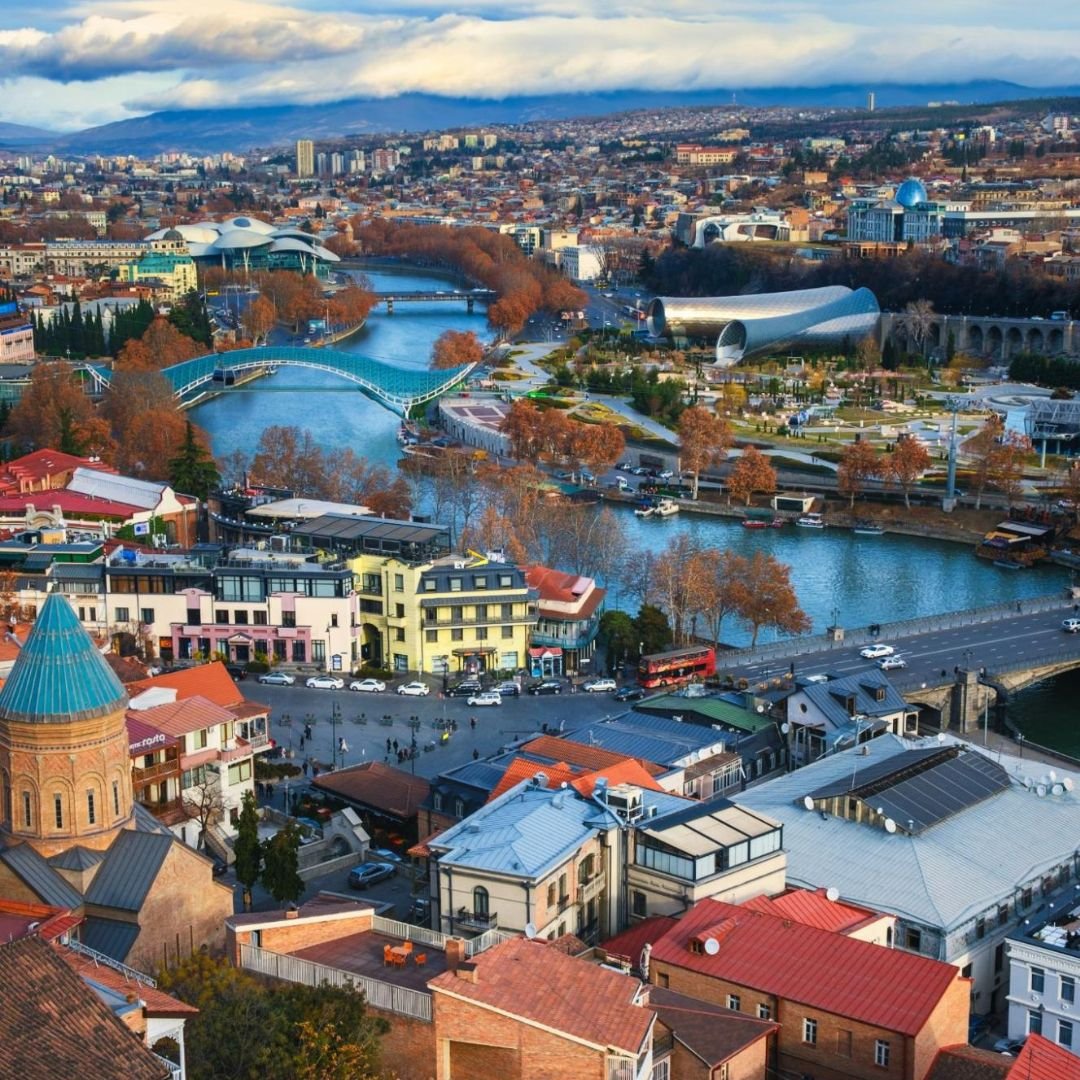
In Tbilisi, Georgian and EU flags became more than symbols. Protesters gathered to oppose democratic backsliding, disputed elections, laws restricting civil society, and the government’s decision to suspend EU membership talks until 2028. Crackdowns, arrests and pressure on public servants followed, but the protests continued into 2025. The chosen image should clearly convey the tension: citizens outside parliament, EU flags against riot shields, or a lone figure facing police. Georgia’s streets ask what happens when a country’s future orientation is no longer settled in policy papers, but fought over night after night in public space.
10. United States
No Kings and the protest beyond the capital
Across the United States, “No Kings” protests brought people into the streets, parks, suburbs and smaller towns. Organisers framed the movement as a response to executive overreach, authoritarianism, immigration raids, federal troops in cities, war spending and rising costs. The scale of the rallies showed that the protest was not confined to the usual urban centres. A strong image may show an American flag marked “No Kings,” a National Mall crowd, or a small-town rally with handmade signs. The larger insight is that institutional anxiety in America is no longer confined to the metropolitan areas. It has become suburban, local and national at once.
11. Belfast, Northern Ireland
When protest becomes intimidation
Belfast belongs in this essay precisely because protest is not always noble. After a knife attack, anti-immigrant violence erupted, with masked groups targeting ethnic minorities, homes, vehicles and businesses. Families were displaced, police were attacked, and minority communities were left afraid. Anti-racist rallies later gathered in response, showing another version of the street: citizens defending neighbours against fear. This plate must be handled carefully. It is not about treating hate as equal to democratic dissent. It is about showing that the street contains both hope and danger. Some protests defend dignity. Some threaten it.
12. Geneva, Switzerland
Anti-G7 protest and anger at concentrated power
In Geneva, thousands protested ahead of the G7 summit in neighbouring France. The march began in response to anger at capitalism, inequality, globalisation, and concentrated political and economic power. It later turned violent in places: a Tesla was set on fire, windows at a UN office were smashed, and police used tear gas. The image may be visually dramatic, but the caption must resist spectacle. Geneva shows how global summits often become a theatre for those who feel excluded from global decision-making. The danger is that the most dramatic image can overwhelm the deeper question: who gets to shape the world’s agenda?