
Some countries inspire admiration. Others inspire wanderlust. Greece does something rarer – it inspires reflection. To arrive in Greece is to step into a landscape where myth and reality coexist effortlessly. The sea glimmers with the same intensity that once guided merchants, philosophers, sailors, and conquerors across the Mediterranean. Whitewashed villages cling to cliffs above sapphire waters, while ancient ruins rise unexpectedly from modern cities, reminding visitors that this small nation has left an imprint far larger than its geography would suggest.
Greece is not merely a destination. It is an idea.
For more than three millennia, this nation at the crossroads of Europe, Asia, and Africa has gifted the world some of its most enduring foundations – democracy, philosophy, theatre, scientific inquiry, architecture, and the Olympic spirit. Yet what makes Greece extraordinary is not simply the grandeur of its past. It is the remarkable continuity between ancient heritage and modern life.
The spirit of dialogue that once animated the agora of Athens still lives in the tavernas (cafes) where Greeks gather over coffee for hours, family remains sacred and hospitality is instinctive. Meals stretch into conversations and conversations into friendships. In a world increasingly defined by speed, efficiency, and endless notifications, Greece seems to ask a quiet but profound question:
Can travel restore humility?
It is a question that follows you throughout the country.
As travellers, we often arrive with itineraries, checklists, and expectations. We seek landmarks, photographs, and experiences to collect. Greece gently dismantles this approach. Here, one quickly realizes that the most meaningful moments are rarely the ones planned. They emerge unexpectedly: a conversation with a fisherman mending nets in a Cycladic harbour, the sound of church bells drifting across a hillside village, or the sight of an elderly woman sweeping the same stone steps her family has tended for generations. Humility arrives when one recognizes how fleeting a single human life is against the backdrop of civilizations that have endured for thousands of years.
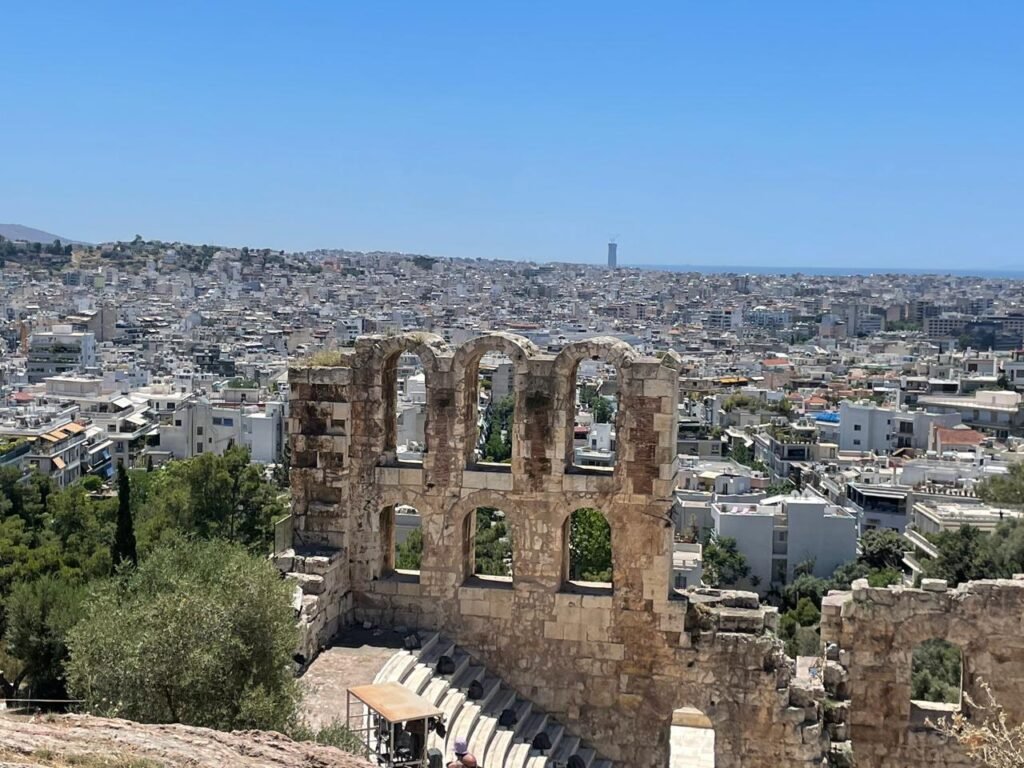
Nowhere is this more apparent than in Athens. Above the city’s modern rhythm rises the Acropolis, crowned by the Parthenon. For over two thousand years, it has survived wars, earthquakes, occupations, and political upheavals. Standing before it, one understands that great civilizations are not built through moments of brilliance alone, but through centuries of collective effort, imagination, and resilience.
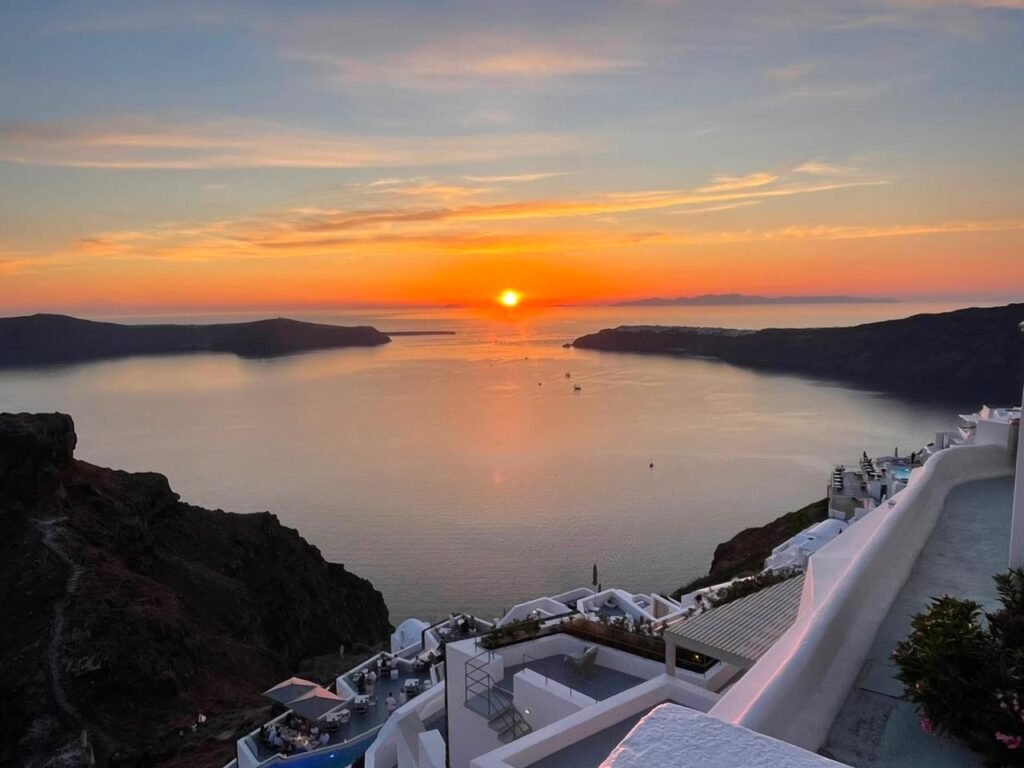
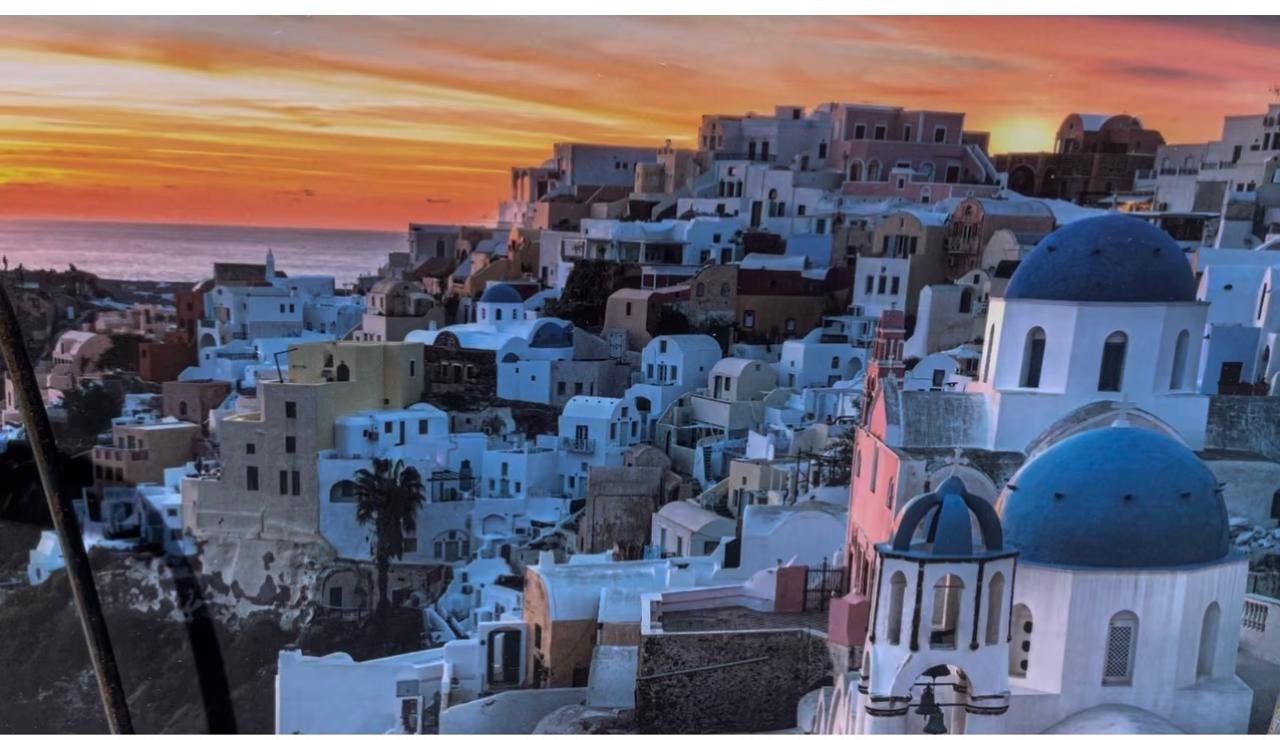
Santorini rises dramatically from the remnants of a volcanic caldera. Its villages seem suspended between sea and sky, offering some of the most celebrated views in the Mediterranean. Visitors gather every evening to watch the sunset paint the cliffs in shades of gold, rose, and amber. The caldera is not merely a view; it is the result of geological forces unfolding over millennia. The island itself is a reminder that nature works on timescales far beyond human urgency.
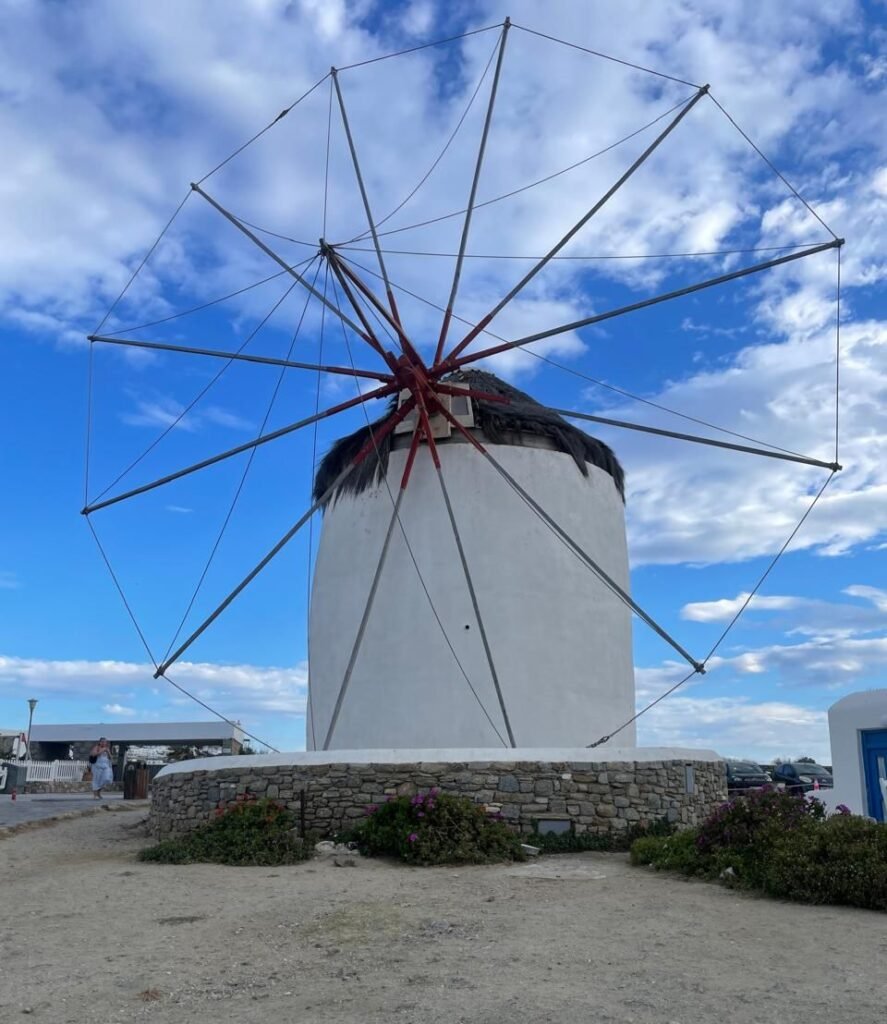
The same lesson unfolds in Mykonos. Known globally for its glamour and cosmopolitan energy, Mykonos possesses a quieter soul beneath its reputation. Traditional windmills still overlook the sea. Fishing boats bob gently in old harbours. Just offshore lies Delos, one of the most important archaeological sites in the Mediterranean and, according to mythology, the birthplace of Apollo and Artemis. Walking among the ruins of Delos, one begins to appreciate that civilizations are measured not by what they build alone, but by what they leave behind for future generations to learn from.
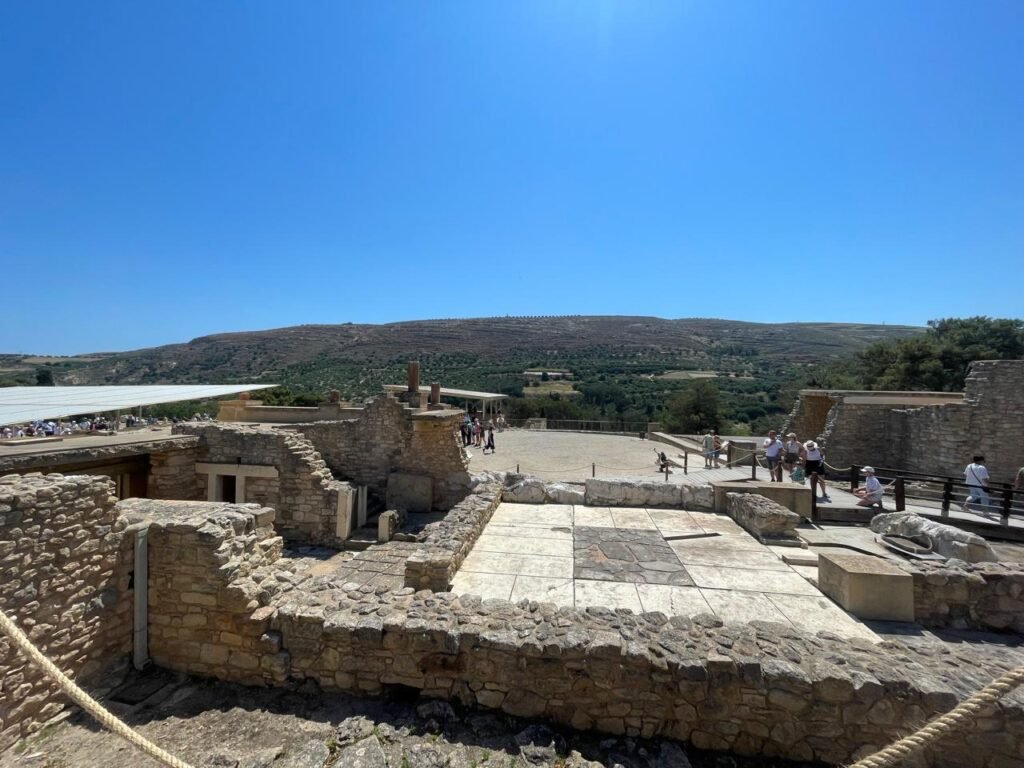
Further south lies Crete, an island that feels almost like a nation unto itself. It was here that the Minoan civilization flourished more than four thousand years ago, creating Europe’s earliest advanced society. The Palace of Knossos still hints at a world of labyrinths, frescoes, maritime trade, and myths that inspired the legend of the Minotaur. Yet Crete refuses to be defined solely by its history. It is a contemporary Mediterranean island with vibrant cities, thriving businesses, and a confident modern identity. And yet, venture beyond the coastal boulevards, and you discover traditions that remain woven into everyday life – olive harvests, village feasts, family recipes, and a profound sense of community. Crete demonstrates that progress and heritage need not exist in opposition; they can flourish side by side.
The island demonstrates one of Greece’s most enduring strengths: an ability to honour tradition without becoming imprisoned by it. For Indian travellers, this feels strikingly familiar.
What does Greece make an Indian traveller remember about India?
The answer reveals itself gradually.
Not in the monuments, but in the rhythms of everyday life. Both civilizations are ancient. Both carry histories measured in millennia rather than centuries. Both have shaped philosophy, mathematics, literature, spirituality, and culture far beyond their borders. In both countries, history is not confined to museums; it lives in streets, rituals, recipes, festivals, and family traditions.
A Greek grandmother guarding a treasured recipe evokes memories of Indian households where culinary traditions pass from one generation to the next. The warmth of Greek hospitality mirrors the Indian belief that a guest is a blessing. The coexistence of antiquity and modernity in Athens feels remarkably similar to the contrasts found in cities like Mumbai, Delhi, or Varanasi.
Most of all, Greece reminds Indian travellers that civilizations are not defined by monuments alone. They are sustained by people.
This truth becomes even clearer on the mainland. Beyond the islands lies a Greece of dramatic mountains, fertile valleys, Byzantine monasteries, vineyards, and villages where time appears to move at a gentler pace. In Epirus, Thessaly, and the Peloponnese, landscapes unfold with an authenticity increasingly rare in modern tourism. Meteora’s monasteries, perched atop towering rock pillars, seem suspended between heaven and earth. Ancient theatres emerge unexpectedly from hillsides scented with pine and wild herbs. Here, one encounters a Greece that rewards curiosity rather than consumption. It encourages travellers not to rush from attraction to attraction but to linger, observe, and absorb.
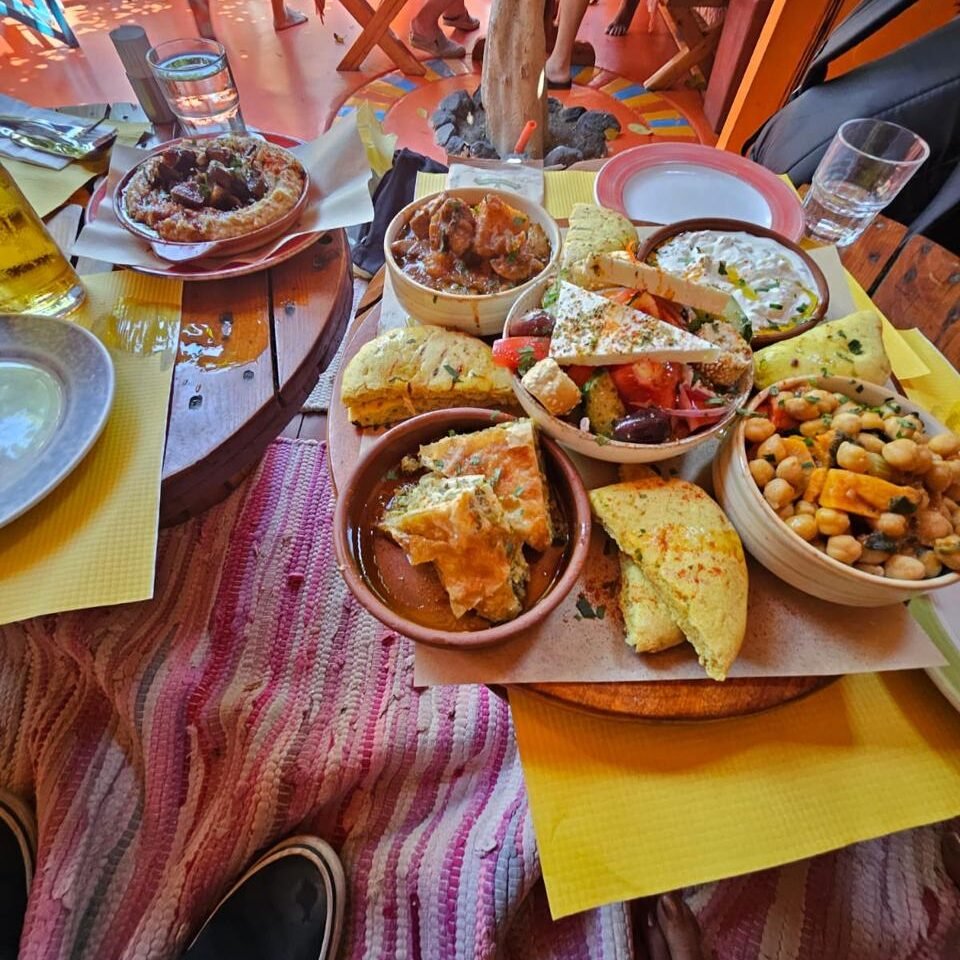
Food, naturally, becomes part of this education. Greek cuisine is often praised for its simplicity, but simplicity can be deceptive. Olive oil, vegetables, seafood, herbs, grains, cheeses, and wine form the foundation of a culinary tradition refined over centuries. Meals are not transactions. They are social rituals. Tables overflow with grilled octopus, fresh tomatoes, creamy feta, warm bread, olives harvested nearby, and honey fragrant with mountain flowers. Fishermen still deliver their catch directly to waterfront tavernas. Mountain villages preserve recipes that have survived generations.
As in India, food is not merely nourishment. It is memory, identity, and community. Perhaps this is why visitors often leave Greece feeling unexpectedly changed. Not because they have seen beautiful places, but because they have experienced a different relationship with time.
In a world obsessed with novelty, Greece offers something more valuable: continuity. It reminds us not only where we have come from but also of the ideas, values, and aspirations that continue to guide us. And perhaps that is the greatest gift Greece offers the traveller. Not simply memories, photographs, or stories – but perspective. A reminder that beauty deserves patience, that history deserves respect, and that travel, at its best, is not about seeing more of the world. It is about seeing ourselves more clearly within it.