
There was a moment inside Vienna’s Imperial Hofburg Palace when nobody seemed to remember where they had come from. Not Austria, or India, or Serbia, or Greece, or Japan, or Tunisia, or Argentina. For a few brief minutes, there was only music.
The chandeliers of the grand palace glowed above diplomats, artists, philanthropists, educators, members of European royal houses, business leaders, and music lovers gathered from across the world. They had assembled for the opening evening of the One World, One Family Festival 2026, a five-day celebration of music, culture, service, and human connection. The evening was also the culmination of a decade-long story: a Greek musician who walked away from a Hollywood contract to teach rural Indian students western classical music, and, in Vienna, watched them perform it back to the world.
Many had arrived out of curiosity, Vienna is, after all, one of the world’s great musical capitals. The city of Mozart, Beethoven, Schubert, and Strauss is not easily impressed. Yet that evening, the audience had come to witness something unusual: a symphony orchestra from rural India sharing a stage with globally celebrated musicians, while artists from Europe, Asia, Africa, and South America prepared to participate in a festival built around a simple but ambitious idea, that humanity has far more in common than it often remembers.
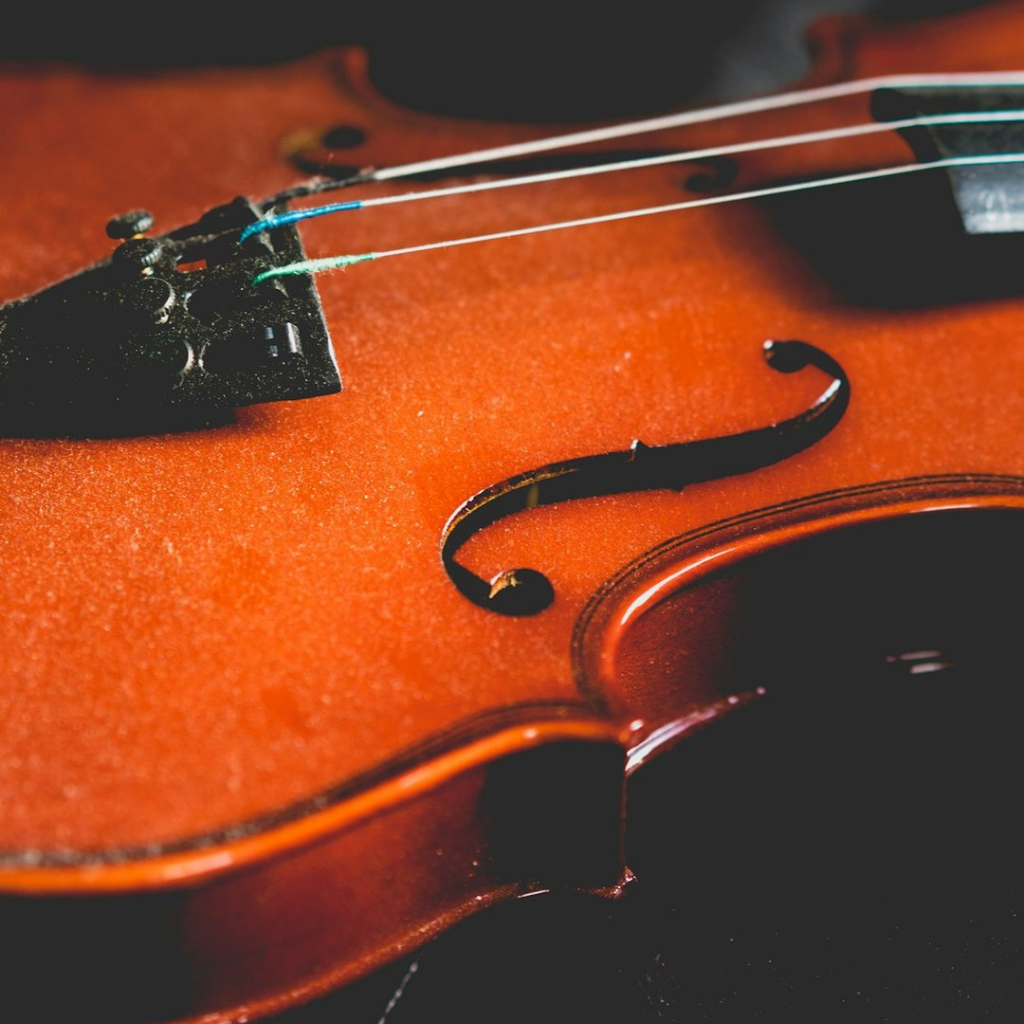
Then the first notes arrived – a violin spoke and a chorus answered. Indian rhythms met European orchestration. Greek melodies flowed through the hall. Ancient traditions and contemporary interpretations shared the same stage and by the time the final note faded, Vienna’s famously discerning audience was on its feet.
“A truly magical evening. Bravo! What an incredible performance!” The words came from an Austrian presenter who herself had once performed in an international orchestra. Around her, the audience rose in a standing ovation. Something larger than a concert had taken place and It felt fitting that it should happen in June.
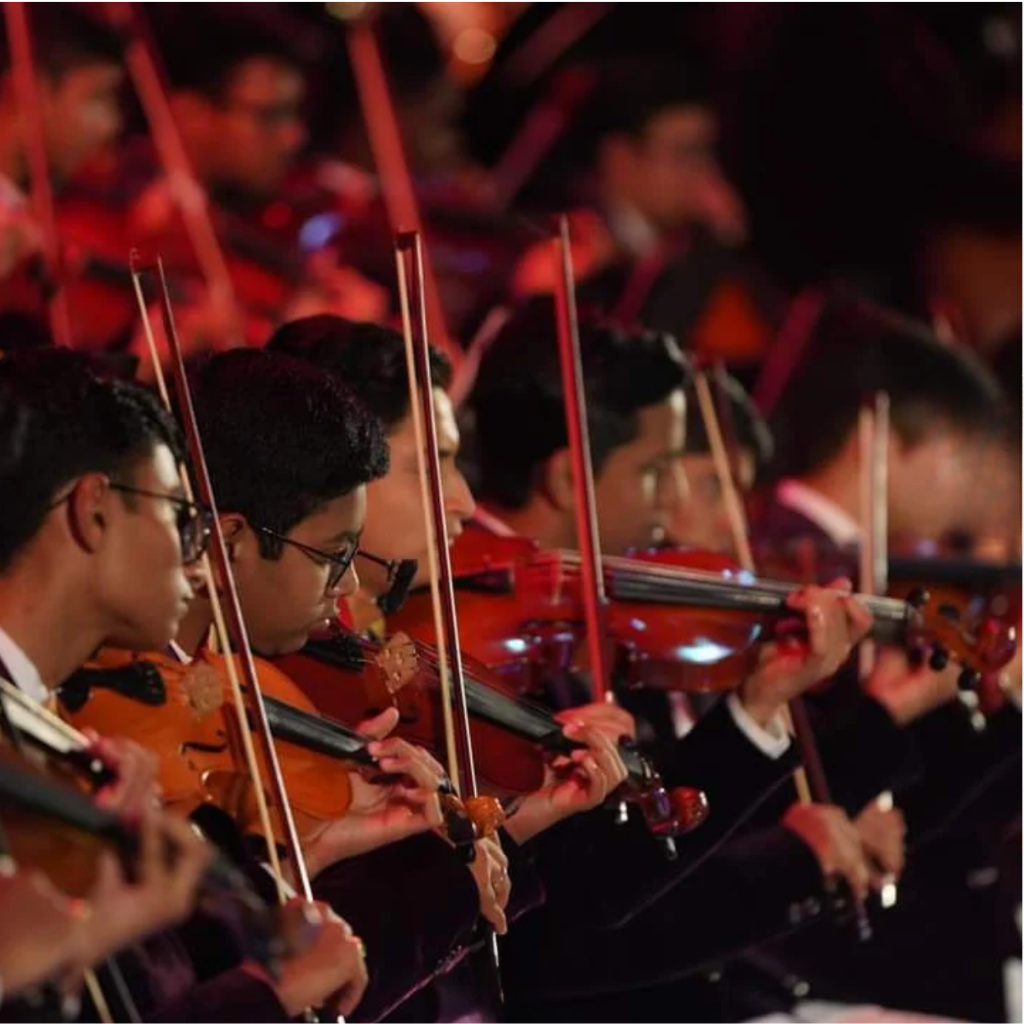
Every year on 21 June, World Music Day celebrates one of humanity’s most universal forms of expression. Born in France as Fête de la Musique and now observed across continents, the day rests on a simple idea: music belongs to everyone. Not merely to concert halls and conservatories, but to streets, schools, communities, and cultures. At a time when the world often feels divided by language, politics, identity, and geography, World Music Day reminds us that some forms of human connection still rise beyond explanation.
The festival was organised under the banner of One World, One Family, a global humanitarian movement founded by Sri Madhusudan Sai. Over the past decade, the movement has built initiatives across healthcare, nutrition, education, socio-care, and community development, touching millions of lives through free service programmes.
The Language Before Language
Music occupies a unique place in human civilization. A melody can move someone who does not understand a single word being sung. A rhythm can unite strangers who share no common history. A piece of music can evoke grief, joy, nostalgia, hope, or awe without ever explaining itself. Long before language becomes agreement, music creates connection. Scientists increasingly speak about music’s ability to strengthen empathy, belonging, and social cohesion. Yet civilizations understood this long before research confirmed it. Be it birth, weddings, harvest, or pilgrimages – most communities remember themselves through songs.
Music has always been more than entertainment, it is memory and identity carried by sound. A way of gathering feelings before gathering agreement. Yet there is an irony in how we experience music today. Never before has humanity had access to so much music and never before has so much listening been done alone. Streaming platforms know our preferences with astonishing precision. Algorithms recommend songs based on mood, genre, geography, and behaviour. Earbuds have become permanent companions. Music follows us through commutes, workouts, flights, offices, and evening walks. We are constantly surrounded by music, but often separated by it. Listening has become intensely personal, the playlist has replaced the public square and the feed has replaced the chorus.
There are undeniable benefits to this democratization of music. More artists can be discovered. More voices can be heard. More cultures can travel, yet something is also lost when music becomes entirely individualized, because music was never only meant to be consumed, it was also meant to be shared.
Which is why what happened in Vienna mattered.
What began as an attempt to bring the Sai Symphony Orchestra to Austria evolved into something far larger. Across five days, musicians, dancers, educators, humanitarian organisations, and cultural ambassadors from Austria, India, Greece, Serbia, Bulgaria, Tunisia, Japan, Argentina and beyond came together under a single banner.
The opening evening honoured European organisations whose work represented the values of service and social responsibility. Among the recipients were organisations using music itself as a tool for inclusion and transformation. One brought pianos into public spaces so anyone could play. Another used music education to build confidence among marginalised children. A third worked with refugee communities, using classical music to encourage belonging in an increasingly multicultural Europe. Different countries, different approaches but one goal – music creates community before community realises it is being created.
Many Instruments. One Composition.
The festival itself became a living demonstration of that principle. Musicians who did not share a common language shared a stage. Audiences unfamiliar with one another’s traditions found themselves responding to the same emotions.
The festival revealed something, orchestras have always understood, a symphony is one of humanity’s most elegant demonstrations of coexistence. The differences between different instruments is not erased. In fact the difference is essential. The beauty of the orchestra emerges not from sameness, but from coordination. It offers a model of unity without uniformity, harmony and individual excellence placed in service of a collective expression.
East meets West
The Vienna story did not begin in Vienna. Its origins lie thousands of kilometres away in rural India. Years earlier, a vision emerged to bring world-class music education to young people who otherwise might never have encountered a symphony orchestra. Perhaps this is why the symphony remains one of humanity’s most powerful cultural metaphors.
Last year, India’s largest student symphony orchestra, two hundred performers strong played alongside forty internationally renowned musicians during the centenary celebrations of an organisation. The performance drew global attention not merely because of its scale, but because of what it represented – talent meeting opportunity, East meeting West, and many voices becoming one sound.
At the centre of that story stands Greek musician and educator Dmitris Lambrianos. Before arriving in India, Lambrianos had built an impressive international career. He taught at New York University and stood on the threshold of opportunities many musicians spend a lifetime pursuing. By several accounts, he was preparing to sign a major Hollywood contract. Then he made a choice that surprised many around him. He walked away from everything.
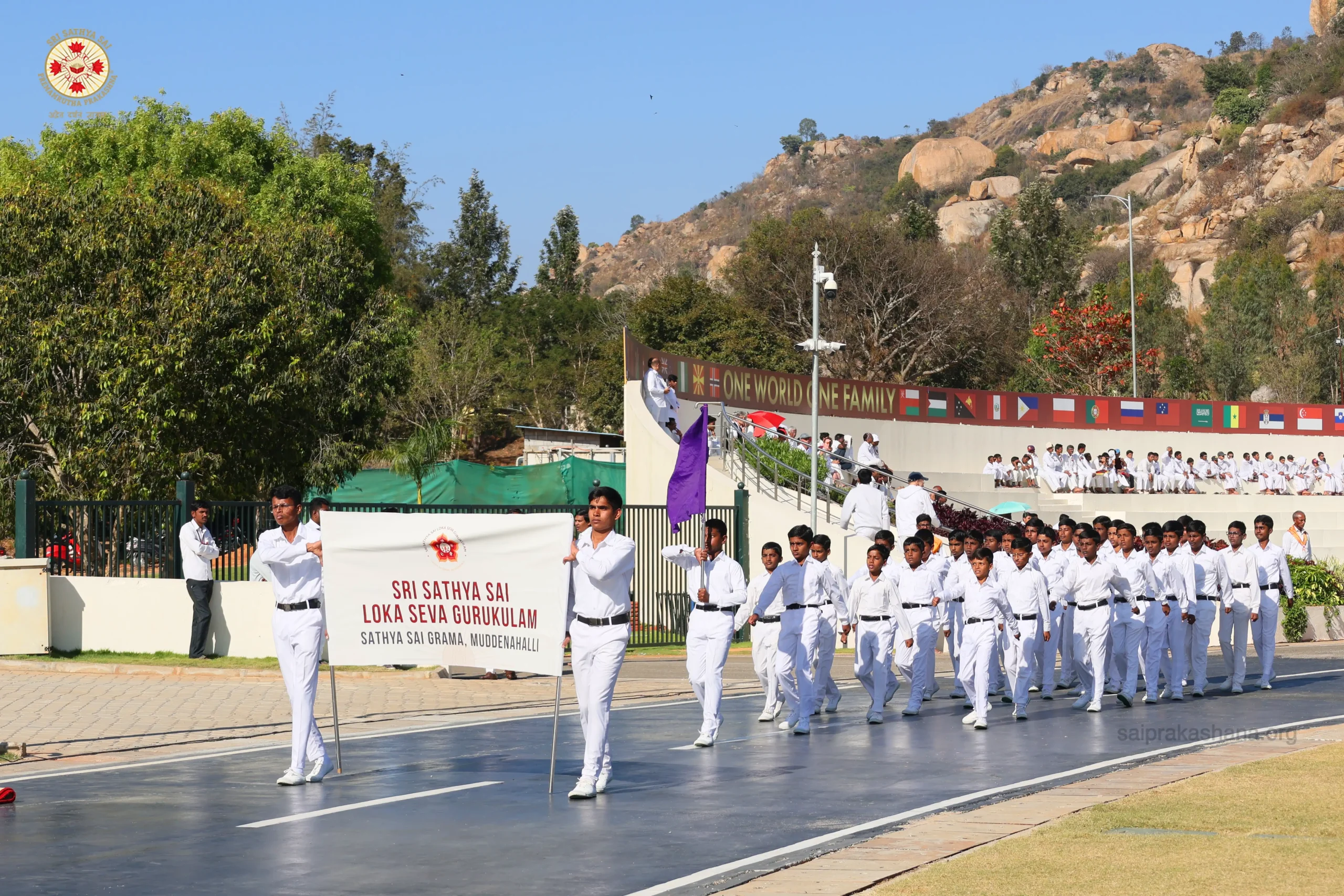
Instead, he travelled to a small rural campus in India after being inspired by a larger vision: that world-class music education should not be reserved for the privileged. What followed was not merely the creation of an orchestra. It was the creation of possibility, students who had never held orchestral instruments began learning western classical music. Children from modest backgrounds encountered traditions from cultures they had never visited.
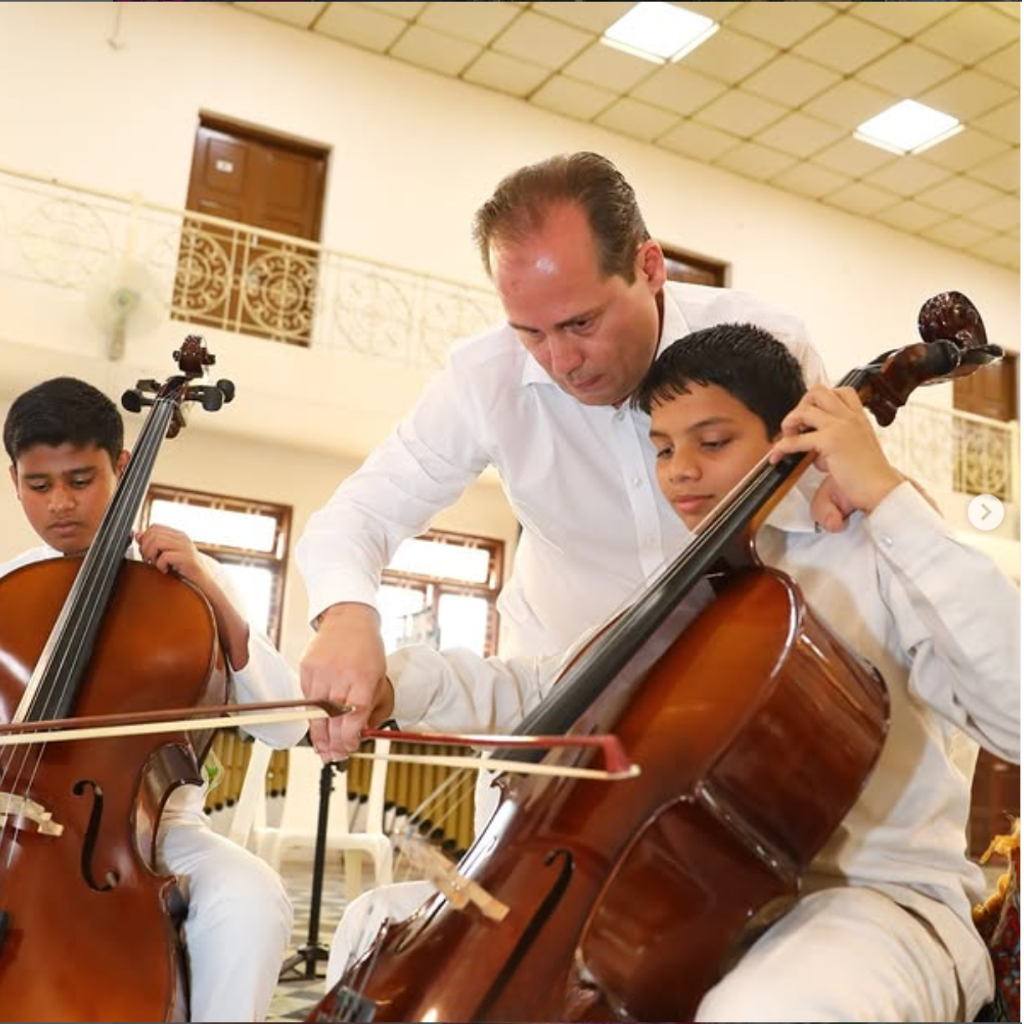
Lambrianos started with beginners. Over time, he helped create pioneering student brass bands that would go on to perform internationally. What emerged from those early rehearsals eventually became India’s largest student symphony orchestra. Years of disciplined practice followed, western classical compositions echoed through the campus. Students not only learned technique, precision, and performance, but they learned something deeper too – they learned how to listen to one another, to different cultures and traditions beyond their own.
The students affectionately called him “Dmitris Anna”—Brother Dmitris. A decade later, many of those same students would find themselves performing in Vienna before an audience drawn from every corner of the world. The journey itself feels almost symbolic – a Greek teacher, Indian students, Austrian audiences, international musicians and one symphony.
Music as Memory, Prayer, and Community
The festival’s subsequent days deepened that story. Music allows identity to travel without becoming diluted. Be it Greek folk music or Serbian brass traditions or Japanese sacred sounds, each carried centuries of memory and different cultural inheritance but together they revealed something profound. One particularly moving performance at the festival featured “Maitreem Bhajatha,” the timeless message of peace composed by the revered Kanchi Mahaswami. As conflicts continue to shape headlines across the world, its appeal for friendship, restraint, and mutual respect felt strikingly contemporary.
The Symphony and the Promise
Perhaps the most hopeful idea to emerge from Vienna was not confined to the festival itself. It was the possibility of what music can continue to build. During the conversations that unfolded across the five days, educators, musicians, and cultural leaders spoke about creating deeper exchanges between traditions and generations. Austria’s renowned Superar programme, which provides free music education to thousands of children across Europe, explored possibilities for future collaborations with young musicians in India.
The vision was simple but profound, not cultural assimilation, cultural appreciation, not teaching one tradition at the expense of another, but allowing traditions to meet, listen, learn and enrich one another. Young musicians from rural India were performing works shaped by traditions far beyond their own experience, alongside artists from different countries, cultures, and musical lineages. What audiences witnessed was not merely a concert, but a conversation, between East and West, between tradition and innovation, and cultures that retained their individuality while creating something together.
The orchestra became a living reminder that harmony is not achieved by eliminating differences. It emerges when differences learn to listen to one another.
Perhaps that is why the symphony remains such a powerful metaphor for our times, every instrument enters with its own voice, its own character and role. No instrument abandons its identity, yet each contributes to something larger than itself. The result is not uniformity, it is harmony and in a century often defined by division, that may be one of the most important lessons music still has to offer.