


The Country Between Two Speeds
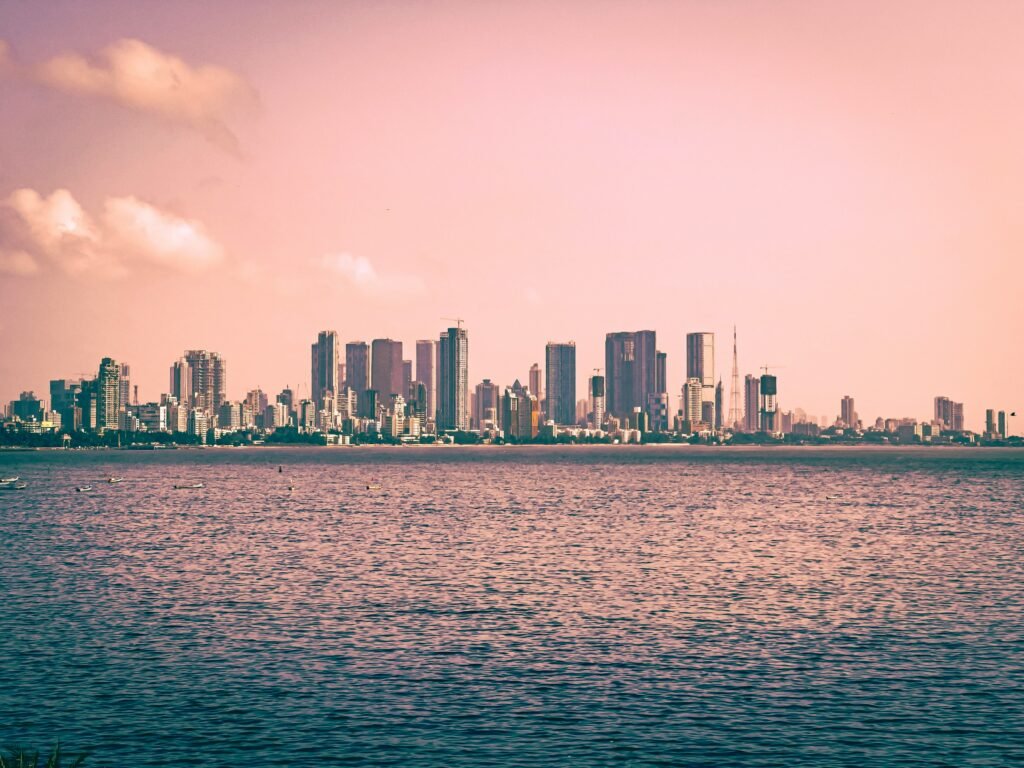
India is moving at extraordinary speed, through technology, ambition, infrastructure and new confidence. But beneath the growth story lie quieter questions about care, education, attention, belonging and who gets left behind. This India Notebook asks whether progress can be measured only by what a country builds, or also by what it learns to protect as it moves forward.
One Drop of Humanity

Blood donation is one of the few acts of public care offered without knowing who will receive it. Marking World Blood Donor Day, this essay follows the quiet chain that begins with an ordinary person giving an hour of their time and may end in another person’s survival. It argues that regular voluntary donation is more than generosity; it is a habit of citizenship, preparedness and trust between strangers.
The Year the Streets Spoke
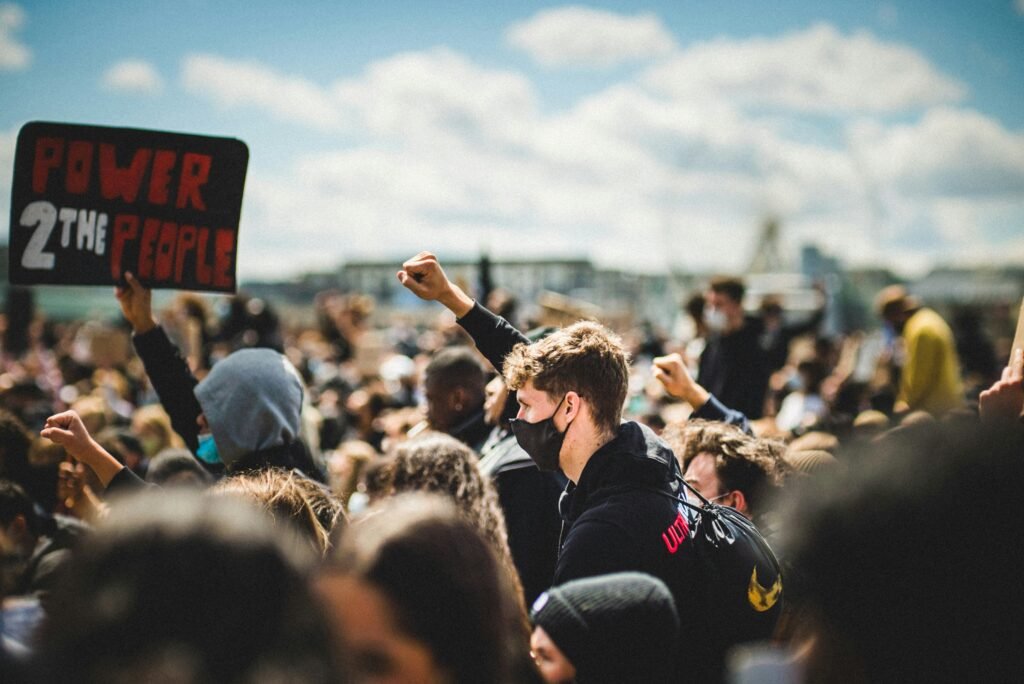
Across the past year, young people, workers and citizens returned to the streets from Kathmandu and Belgrade to Tbilisi, Manila and beyond. This visual essay traces the protests behind the headlines: corruption, broken infrastructure, rising costs, democratic anxiety and basic services that no longer work. These images are not a celebration of unrest, but a map of the promises people no longer believe institutions will keep.
Greece: Where the World Learned to Think
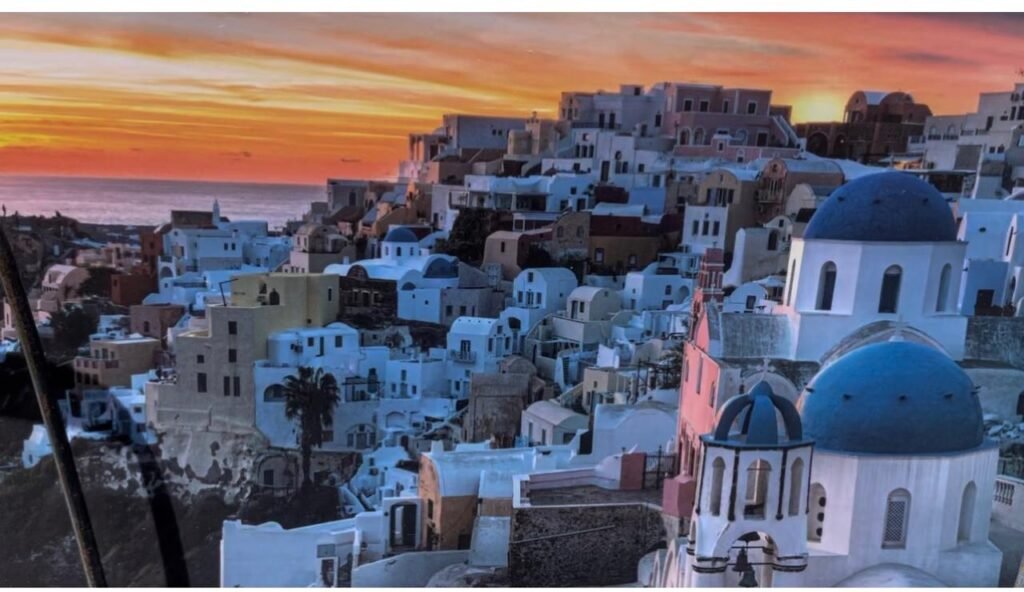
Greece is more than a beautiful destination; it is a civilisation that asks visitors to slow down before ruins, sea, myth and time. Seen through an Indian traveller’s eyes, Athens, the Cyclades, Santorini, Mykonos and Crete become mirrors for questions India knows well: how does an ancient culture remain alive, and what does beauty teach when it is not consumed quickly? A travel essay about humility, memory and continuity.
The Loneliness Economy
What does it take to turn an ethic of service into a system that can endure? This feature examines the One World One Family movement through its work in school nutrition, free cardiac care, medical education and livelihoods, asking whether compassion can be organised without losing dignity. It is a story of spiritual conviction meeting public infrastructure, and of what becomes possible when no child, patient or community is treated as expendable.
Why Music Still Makes Human Beings Feel Less Alone
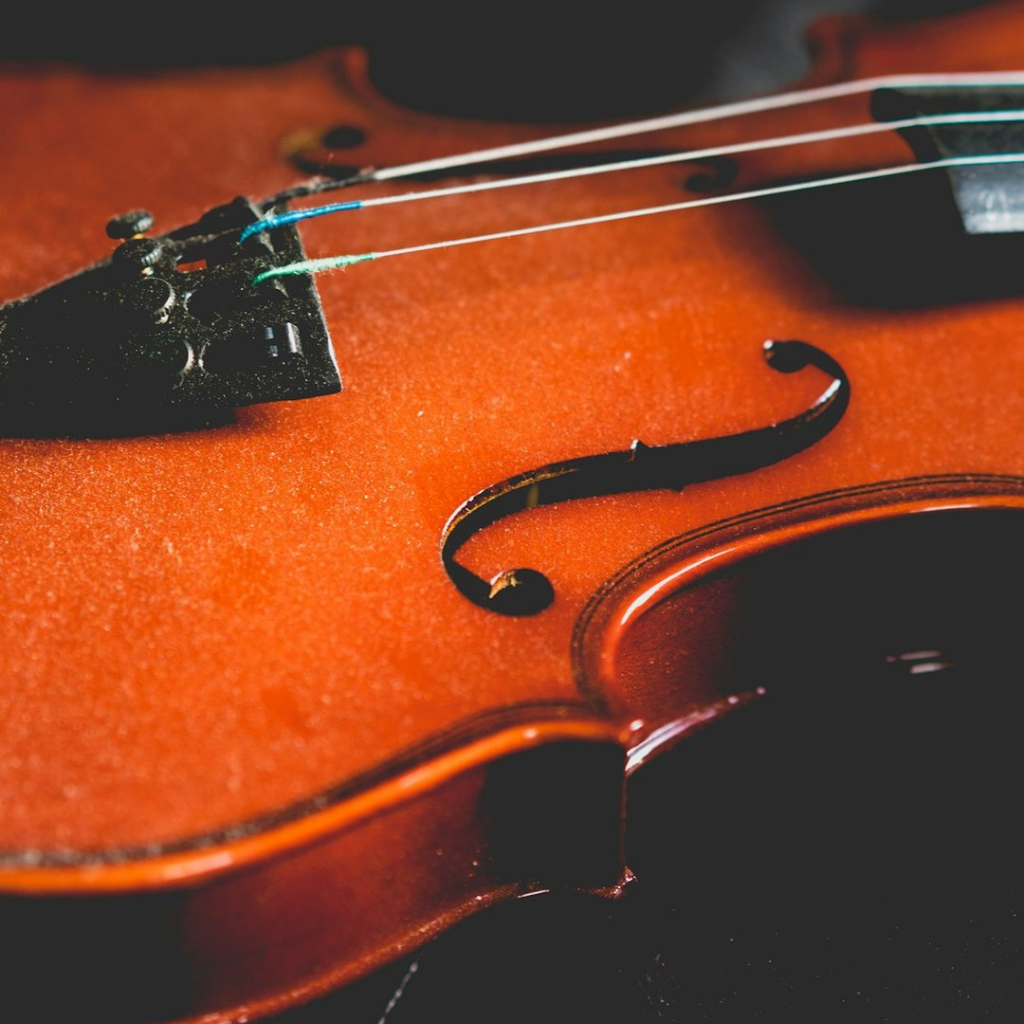
At Vienna’s Imperial Hofburg Palace, musicians and listeners from across continents found themselves held by a shared sound before they shared a language. Anchored in World Music Day, this essay explores music as memory, ritual and social repair. In an age of private playlists and polarised feeds, it asks why a symphony still offers such a powerful model of difference becoming harmony.