

Most corporate systems are engineered to measure transactions, not human connection. We track dispatches, compliances, response times, and quarterly targets with rigorous precision, yet often remain blind to a fundamental tension: a business relationship can be entirely efficient and still leave people feeling completely unseen. When organizations confuse the mechanical delivery of service with the genuine practice of care, they build structures that are functional on paper but fragile in reality.
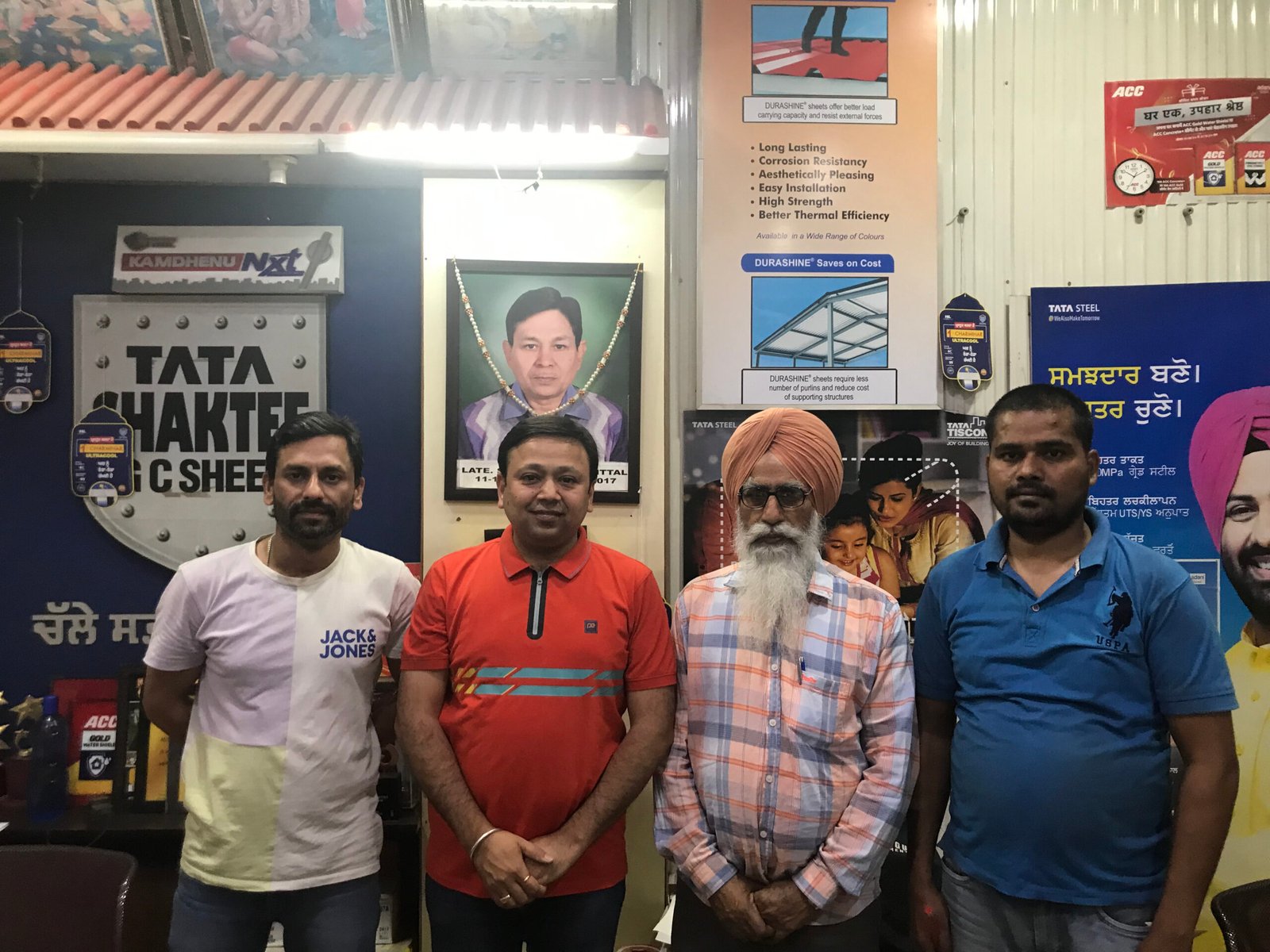
When the consulting team from Podium Pro began an in-depth stakeholder listening exercise for Tata Steel Colors across its dealer and fabricator communities, the early responses were reassuring, but then something totally unexpected emerged.
The Listening Exercise
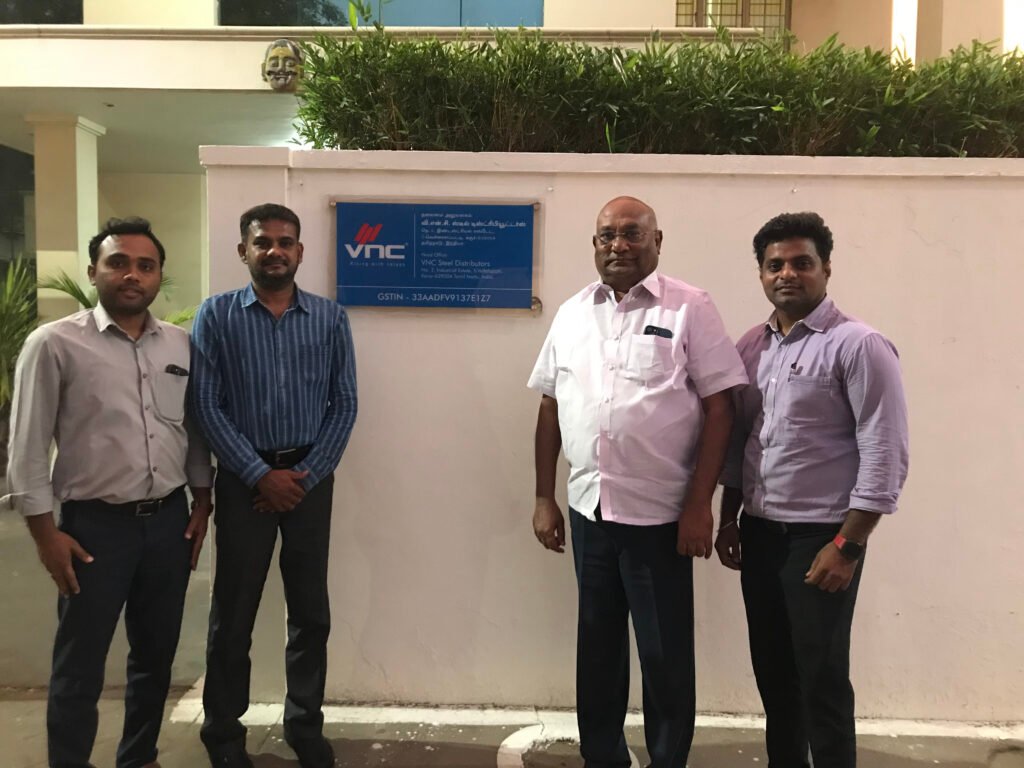
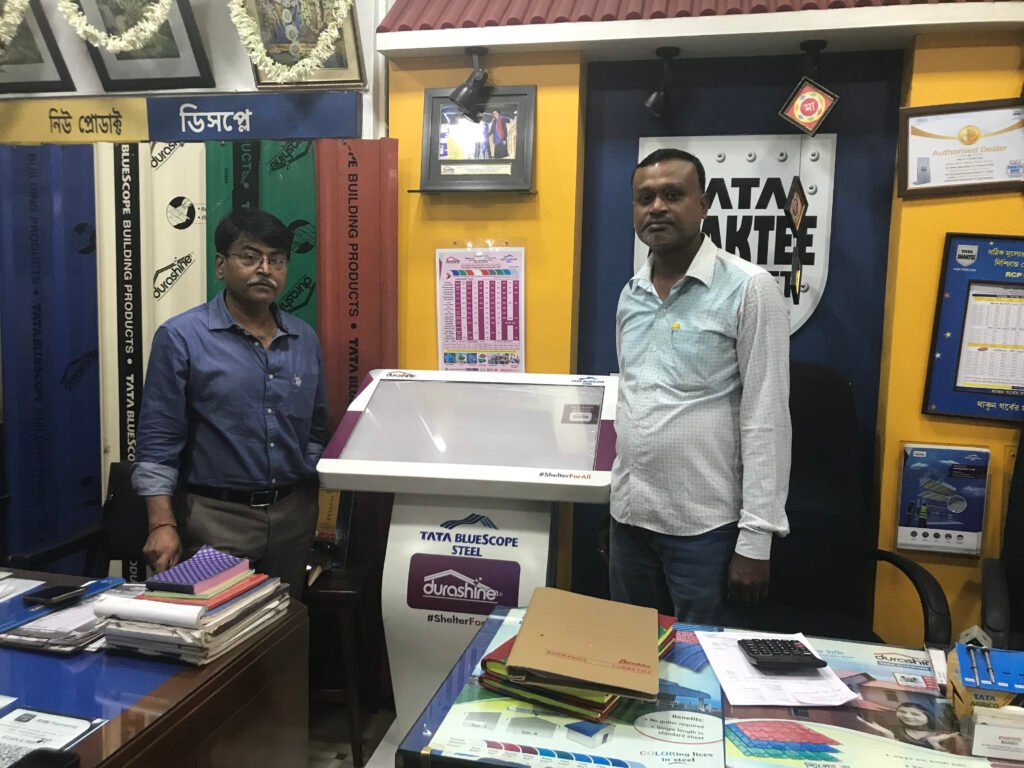
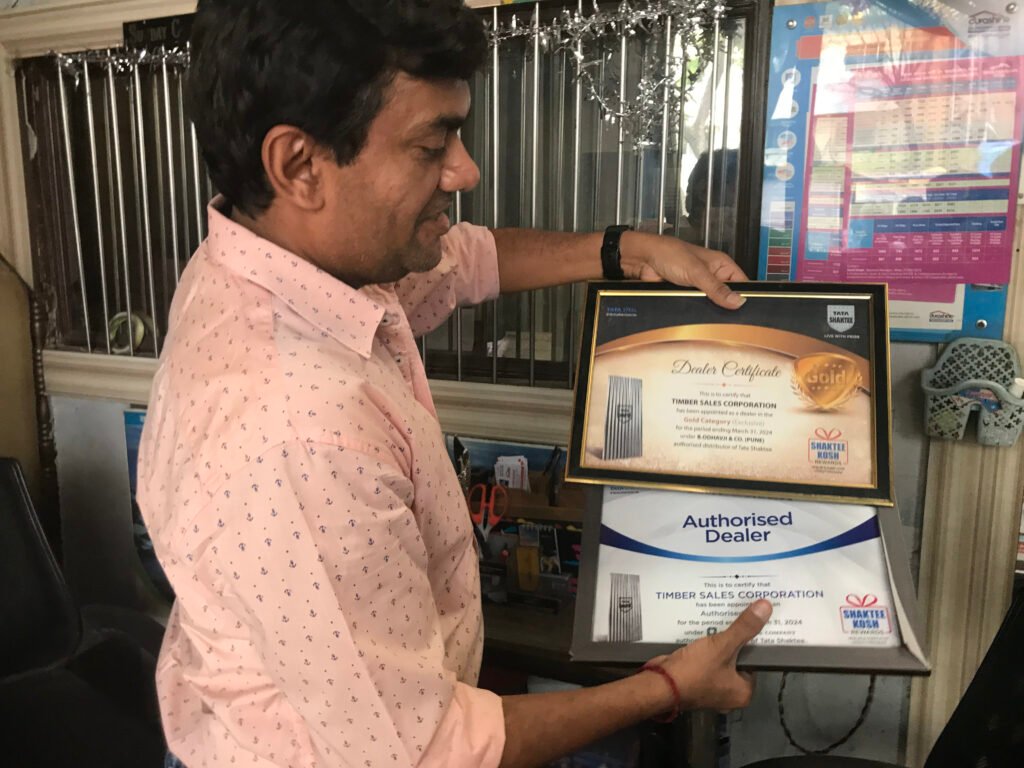
So, what was this ‘learning exercise’ all about? Our team engaged the Podium Pro team to travel to five states across India and interview nearly 30 dealers, fabricators, architects, and distributors to understand from them in depth, two things:
- What the brand Tata Steel Colors meant to them
- How they felt about how business was conducted with them
Everyone said fantastic things about the brand and the trust it implied to the consumer segment, and how sales and premium pricing were primarily based on this trust.
However, as the conversations progressed, a deeper layer of sentiment emerged. While most individuals felt adequately serviced, most – in some way – felt that they weren’t ‘cared for’.
This distinction jumped at me and the senior leadership of Tata Steel Colors and became particularly significant for our journey from that point on.
Difference Between Service and Genuine Care
In business contexts, there is a common assumption that fulfilling a stakeholder’s requirements equates to honouring the relationship. If materials are supplied, issues are addressed, visits are conducted, calls are returned, training is delivered, and schemes are explained, the necessary work is considered complete.
In one respect, this is accurate. However, care functions at a different level.
Service asks: Has the task been completed?
Care asks: Did the person feel seen while the task was being completed?
This distinction is not superficial; it is structural.
Organisations are usually designed to manage transactions efficiently. They are built around targets, territories, reports, hierarchies, dashboards, customer categories, issue types and response timelines. These are necessary. However, systems have inherent limitations. They can document whether an event occurred, but they cannot consistently capture whether it was meaningful to the recipient.
A dealer may receive regular communication and still feel unheard. A fabricator may get technical support and still feel that the larger pressures of his work are invisible. A stakeholder may be satisfied with the business and still feel that the relationship becomes active only when there is a transaction, a problem or a target.
Care as a Practice of Sustained Attention
Within organisational contexts, care is frequently misconstrued as warmth, generosity, or a pleasant demeanour. While these attributes are important, they are insufficient. Care extends beyond mere kindness; it is the discipline of sustained attention. It involves recognising pressure before it escalates to frustration, identifying silence before it leads to disengagement, and perceiving routine contact before it results in emotional detachment.
‘Care’, if evolved consciously, can develop into a practice of sustained, attentive observation.
During our engagement with the dealer and fabricator communities, the primary question extended beyond “What do you need from the company?”
A more profound inquiry emerged to find out what the relationship felt like from their perspective.
Stakeholders do not experience an organization as an abstract system, but through everyday interactions, such as prompt communication, genuine presence, and empathetic listening, which build trust and ground the relationship. Conversely, when interactions become perfunctory, transactional, or distant, connections gradually weaken and fade over time.
From Stakeholder Insight to the C.A.R.E. Programme
Consequently, the insights gained from the listening exercise formed the foundation of the C.A.R.E. Programme. C.A.R.E. stands for Connect, Assist, Reward and Elevate. The framework was designed to address both dimensions of the relationship: the emotional need to feel recognised and the functional need for ongoing support, useful resources and visible value over time.
The programme was not developed on the premise that the relationship was deficient. Rather, it was based on the more complex recognition that even a functional relationship could be made more human.
This is an important difference.
In many organisations, care is addressed only after a problem has surfaced. A crisis may arise, a complaint may escalate, or a stakeholder may express dissatisfaction, prompting care as a remedial measure. At this point, however, care becomes reactive.
A more substantive question is whether care can be proactively integrated into organisational operations before any relational breakdown occurs.
- Can care become a practice?
- Can it be made visible in routines, not only in gestures?
- Can it sit inside review meetings, field visits, communication formats, listening mechanisms, training, recognition and follow-up?
- Can it become part of performance rather than separate from it?
Why Trust Is a Practical Business Consequence
Although these questions may seem emotional, they are fundamentally practical. Business relationships are sustained not only through efficiency but also through trust. Trust is built not merely by fulfilling promises, but by the organisation’s conduct during ambiguous, inconvenient, or unprofitable situations.
In this context, care does not oppose business discipline; rather, it constitutes one of its essential foundations. A stakeholder who feels cared for is more likely to remain committed to the relationship during challenging periods. All business relationships encounter friction: markets fluctuate, supply chains tighten, prices shift, expectations evolve, and misunderstandings arise. In such instances, the recollection of care serves as a source of resilience.
People are more patient with organisations they trust. They are more forgiving of difficulty when they believe the organisation is not indifferent. They are more willing to collaborate when they feel the relationship is not purely extractive.
Why Care Has to Be Repeated
Care cannot be performed once and declared complete. It has to be repeated.
This need for repetition creates challenges within organisations. While most companies are proficient at launching new programs, they are less effective at maintaining practices that require sustained commitment. Care seldom produces immediate, dramatic outcomes; rather, its effects are often subtle. These may include improved conversations, faster resolution of field issues, greater stakeholder acknowledgement, and teams becoming more sensitive to the emotional dynamics within their networks. Such results are not always promptly reflected in quarterly performance metrics.
But over time, it changes the quality of the relationship. It changes what people are willing to say. It changes how quickly they raise concerns. It changes how much they believe the organisation will stand with them when circumstances become uncertain.
Seeing Stakeholders Beyond Their Business Function
To care is to resist reducing people to their function in the business. A dealer is more than a channel partner, a fabricator is more than an execution link, and a distributor is more than a sales node. Each individual brings distinct local realities, market pressures, family responsibilities, reputational concerns, aspirations, fears, and pride in their work. When an organisation recognises these complexities, the nature of the relationship is fundamentally transformed.
Building Care Into Organisational Habits
The C.A.R.E. Programme emerged from this recognition. Its purpose extended beyond improving engagement; it aimed to provide structure to elements often considered intangible. Key questions included: How can we listen before attempting to solve? How can we identify pressure beyond transactional interactions? How should we respond when stakeholders are uncertain, not only when they express dissatisfaction? How can we maintain a consistent presence over time?
These are not questions that can be answered by a single campaign or meeting. They require habits. These habits require leaders to regard emotional experiences as valuable data rather than mere statistics. Field teams must be equipped not only with information but also with effective listening skills. Communication should shift from a broadcast-oriented approach to a more relational one. Organisations must recognise that every stakeholder interaction either strengthens or diminishes trust.
Trust is built in small deposits.
- A call made without an immediate agenda.
- A concern acknowledged before it becomes a complaint.
- A visit that is not rushed.
- A promise not forgotten.
- A problem followed through to its real resolution, not merely its official closure.
- A stakeholder is remembered as a person, not only as a category.
What People Remember When It Matters
This is the broader lesson I drew from the listening exercise and its analysis presented by the Podium Pro team. Individuals may express satisfaction yet still await recognition. They may maintain the relationship while hoping for deeper attention. They may not explicitly use the term “care”, but they recognise its presence and absence.
Organisations often remember what they delivered. People remember how they were made to feel when it mattered. Between those two memories lies the real work of care.