

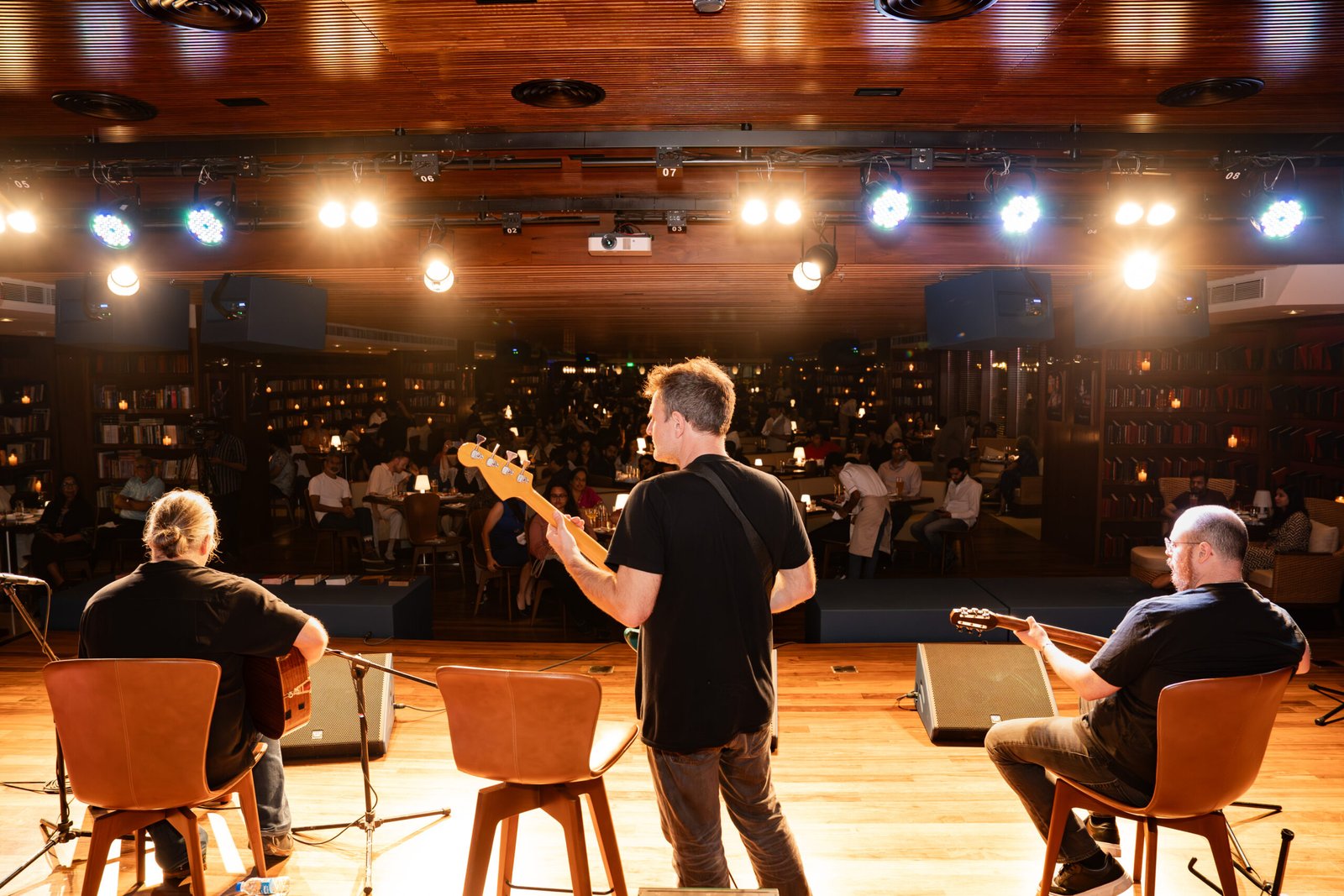
There is a distinct, almost sacred moment inside a live venue just before a performance begins. The musicians tune their instruments, the hum of conversation softens to a whisper, and across the room, glasses are gently lowered to tables. A hundred strangers, carrying a hundred different anxieties, collectively settle into a single shared wavelength.
In that brief, suspended second before the first note is struck, you realise you aren’t just in a room; you are in a sanctuary of attention.
For those of us who spend our lives building restaurants and cultural spaces, that moment is the ultimate return on investment. When Kamal Sagar conceptualised and built Windmills Craftworks, the intention was never simply to open a restaurant with a stage in the corner. He set out to build a ‘third place‘, a critical piece of social infrastructure that sits comfortably between home and work. He wanted to design an environment where music, culinary craft, and conversation could coexist without any of them being reduced to background noise.
Brookings describes third places as important community builders precisely because they allow informal social interaction and help strengthen community networks. That distinction matters.
A restaurant can feed. A bar can entertain. A venue can host. But a true cultural space does something more difficult. It teaches people how to be together.
The age of distracted listening
We live in an era of unprecedented digital convenience. Today, most listening is solitary, algorithm-led, and relentlessly interrupted. We consume music through earbuds on our commutes, using it to block out the world rather than engage with it. Seneca observed that “we suffer more often in imagination than in reality.” In many ways, our hyper-connected, algorithmic lives keep us trapped in that anxious imagination.
That is not necessarily a failure. Private listening can comfort, focus and accompany us. But something is lost when listening becomes only personal, portable and endlessly skippable.
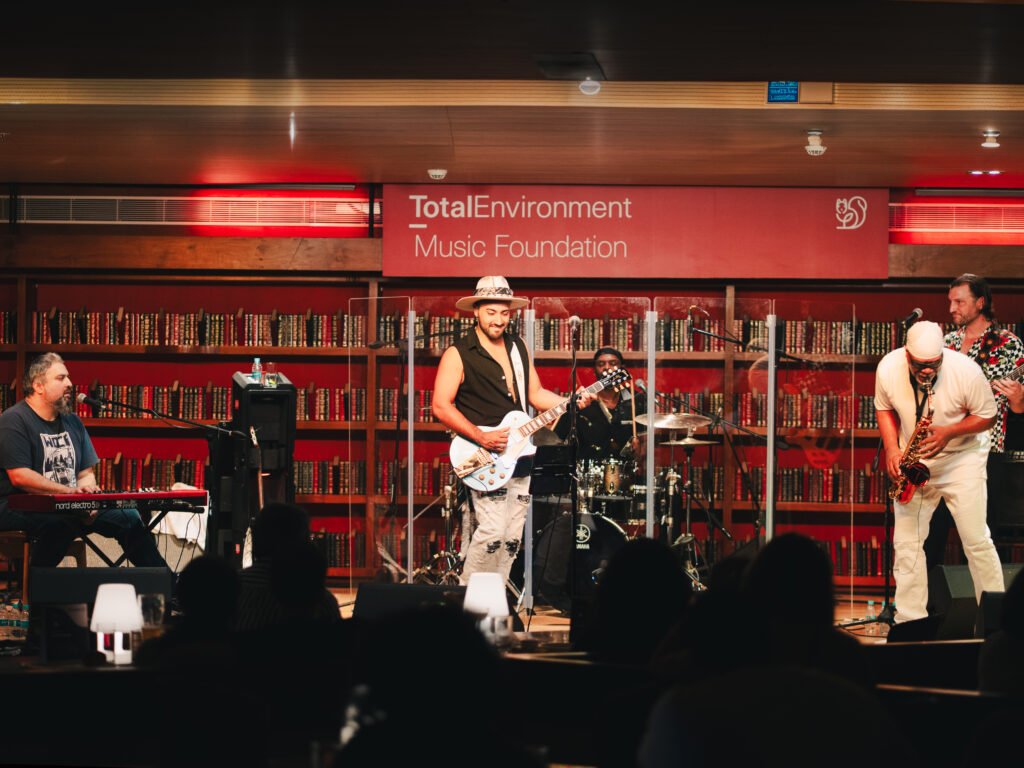
A live venue restores a different discipline. Live music, when experienced in a room designed for deep listening, forces us back into the beauty of reality. When strangers sit shoulder-to-shoulder in our jazz theatre, facing the same stage, something fundamental shifts. They are no longer just consuming content; they are participating in a shared emotional life. Audiences today are increasingly seeking depth and genuine human connection over mere spectacle. They want to engage with the raw texture of an instrument, the unfiltered emotion in a vocalist’s range, and, perhaps most importantly, the profound silence between the notes.
This is what it means to treat venues as cultural infrastructure.
Culture as civic infrastructure
Just as a city requires roads to connect its geography, it requires thoughtfully created rooms to connect its people. Culture isn’t a frivolous accessory to urban life; it is the bedrock of belonging and curiosity. But building these spaces is an act of meticulous, often fragile, craftsmanship.
At Windmills Craftworks, the architecture, the acoustics, the handpicked books, and even the uncompromised original recipes of our craft beers are all deliberate decisions. They signal to the guest that this space commands respect and invites immersion. It is a delicate balance to strike: serving a perfectly crafted Hefeweizen or a plate of Karare Paneer without the clatter of cutlery overpowering a boundary-pushing solo. It requires intentionality from the venue, and a willing surrender from the audience.
We are witnessing a beautiful nostalgia and a return to intimate, deep-listening traditions. People are seeking out spaces where they feel seen, heard, and connected. As we look to the future of our urban landscapes, we must recognise the responsibility we hold as creators of these spaces.
A city is ultimately defined by what it chooses to build. A city that only builds for speed will eventually produce impatience. A city that only builds for consumption will eventually produce appetite without memory. A city that only builds for efficiency may forget how to make room for wonder. A cultural venue interrupts that drift. It creates a reason for people to leave their private screens and return to public feeling.
The craft of holding attention
There is something quietly civilising about a room that teaches people to listen together. Not because jazz, literature or craft beer are markers of sophistication. A listening room asks people to practise restraint. To delay conversation. To make space for another person’s expression. To receive before reacting. To notice tone, silence, rhythm and vulnerability. These are not only musical skills. They are civic skills.
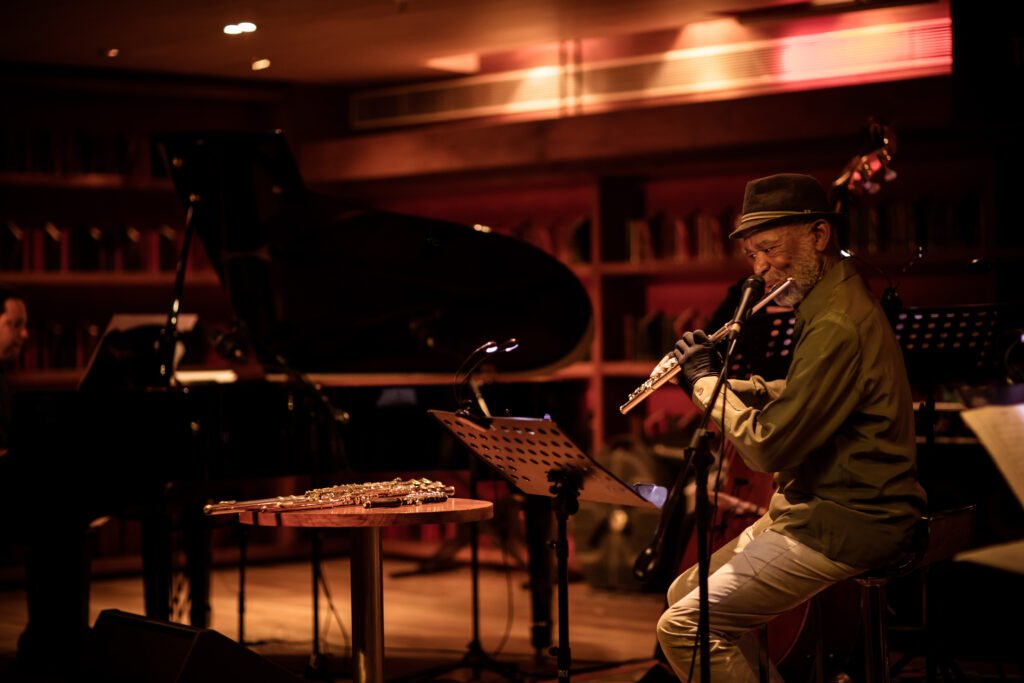
A society that forgets how to listen will struggle to debate, mourn, celebrate, disagree or imagine together. Attention is not merely a private virtue. It is a public resource.
The future of venues
We are witnessing a return to intimate, deep-listening traditions. People are seeking spaces where they feel seen, heard and connected. After years of digital saturation, there is renewed hunger for experiences that cannot be fully captured, clipped or consumed later.
But this return is not guaranteed. Cultural spaces are fragile. They need patient audiences, sensitive operators, fair economics, supportive cities and a wider understanding that culture is not a luxury good. It is part of how societies remain emotionally intelligent.
As creators of such spaces, the responsibility is significant. It is tempting to chase novelty, scale and spectacle. To build larger rooms, louder programmes, faster formats and more photogenic evenings. But spectacle alone does not create belonging. It creates moments.
Belonging requires repetition. It requires memory. It requires a room that people return to, not only because something is happening, but because something in them happens there. That is the difference between a venue and a cultural institution. A venue hosts an event. An institution shapes behaviour over time.
Windmills, at its most meaningful, belongs to this second imagination. It is a place where music, food, books, conversation and craft are designed to hold one another. A place where a city’s professionals, artists, travellers, regulars and first-timers can enter the same room and face the same stage. For a few hours, they are not audiences segmented by algorithm. They are people sharing atmosphere.
If we only build places designed for rapid consumption, we will cultivate a culture of distraction. A great city needs more than just places to eat and be entertained. It desperately needs rooms that teach us, once again, how to listen.




2 Responses
So glad – this is the need of the hour. Way back sometime in 1986 had the opportunity to be part of similar spaces around Amsterdam and Utrecht Kept thinking wish we too had similar spaces in our cities in India.
This article is really eye opening and very well composed. Culture is definitely preserved by spaces we create.